
Your cooling system is running, but still feels sticky and uncomfortable? Many homeowners face this frustrating issue in India, especially during the monsoon and summer seasons. Most people assume that their cooling system is not working properly, but they don’t understand that the real problem is a high humidity level.
Humidity is the amount of moisture in the air. When the level of humidity is high, it makes your room’s environment warmer and more uncomfortable, whether your cooling system is continuously running. It is one of the common challenges in the India climates. If you understand why high humidity makes your cooling systems inefficient. It helps you to improve your comfort, reduce electricity bills, and also extend your cooling system’s lifespan.
In this blog, you will learn why high humidity makes your cooling systems inefficient and practical ways to improve the efficiency of your cooling systems.
What is Humidity?
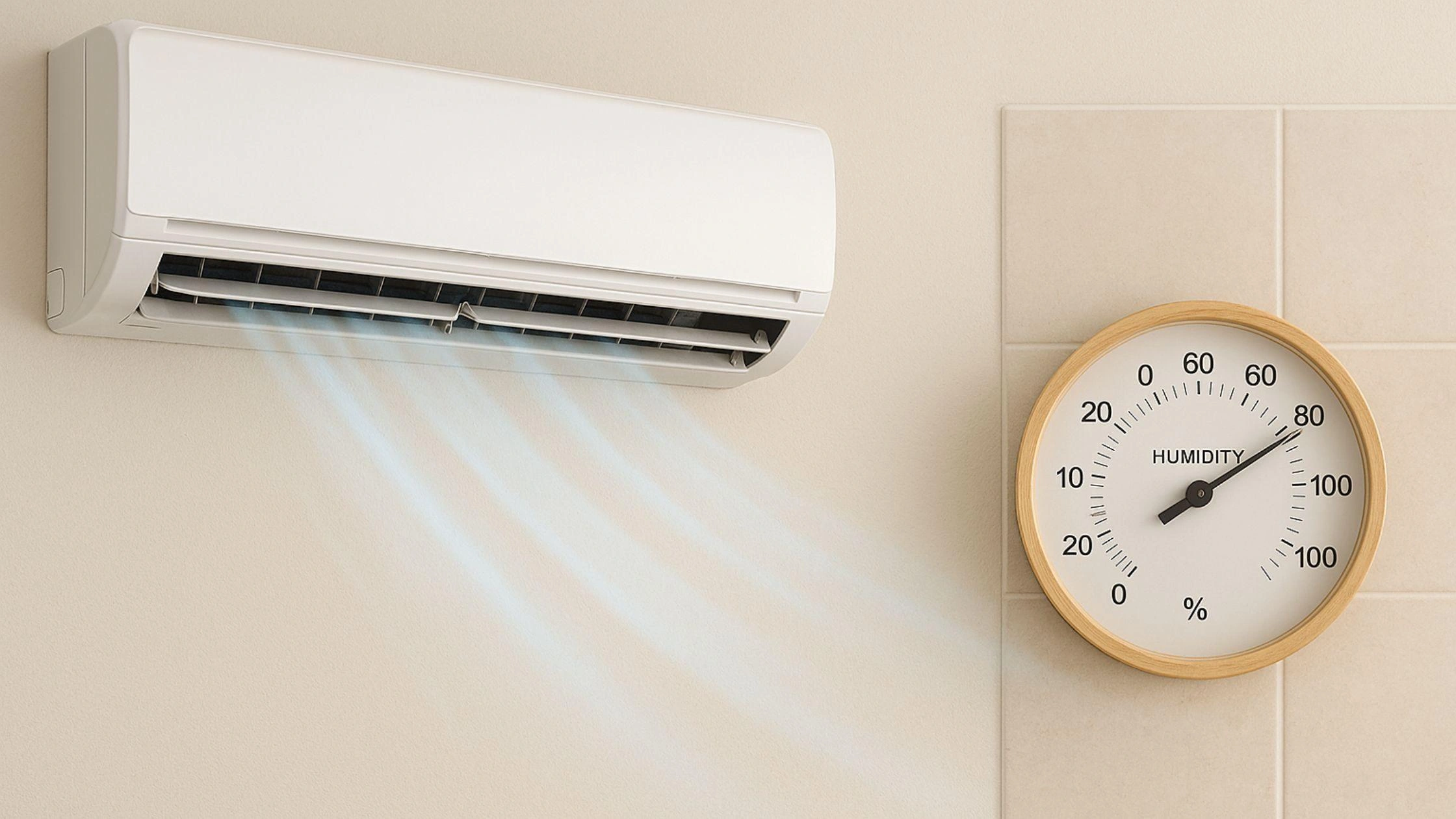
Humidity represents the amount of moisture present in the air. It is measured as relative humidity, which indicates the percentage of moisture in the air compared to the maximum amount of air that can be held at a given temperature.
Idea indoor humidity level and its impacts on cooling systems and the indoor environment.
| Humidity level | Impact on indoor | Effect on cooling systems |
| Below 30% | Dry air, skin irritation | Systems work normally, but feel too cold. |
| 30% – 50% | Ideal comfort | Optimal efficiency and performance |
| 50% – 60% | Slightly humid | Longer cooling cycles |
| Above 60% | Sticky air, damp environment | Higher strain and reduced system efficiency |
If the indoor humidity range is between 30% and 50%, you feel optimal comfort and system efficiency. While the above level creates a damp environment, the level below may cause excessive dryness.
Different Between temperature and humidity:
Many people assume that cooling a room means lowering the temperature of a room, but cooling is not only about reducing the overall temperature of a room.
Temperature: It tells us how cold or hot the air is.
Humidity: It affects how our body feels the temperature.
Why Does High Humidity Make Cooling Systems Less Efficient?
High humidity is one of the major problems due to which your cooling systems are not able to reduce the temperature of a space. Here, you understand how high humidity directly interferes with the cooling systems’ performance.
1. Air feels warmer than the actual temperature:
When the humidity level is higher than the ideal level, the air holds more moisture, which slows down the evaporation of sweat from your skin, which is your body’s normal cooling method. As a result, if your cooling system is set to a comfortable temperature, then the space still feels warm, sticky, and uncomfortable.
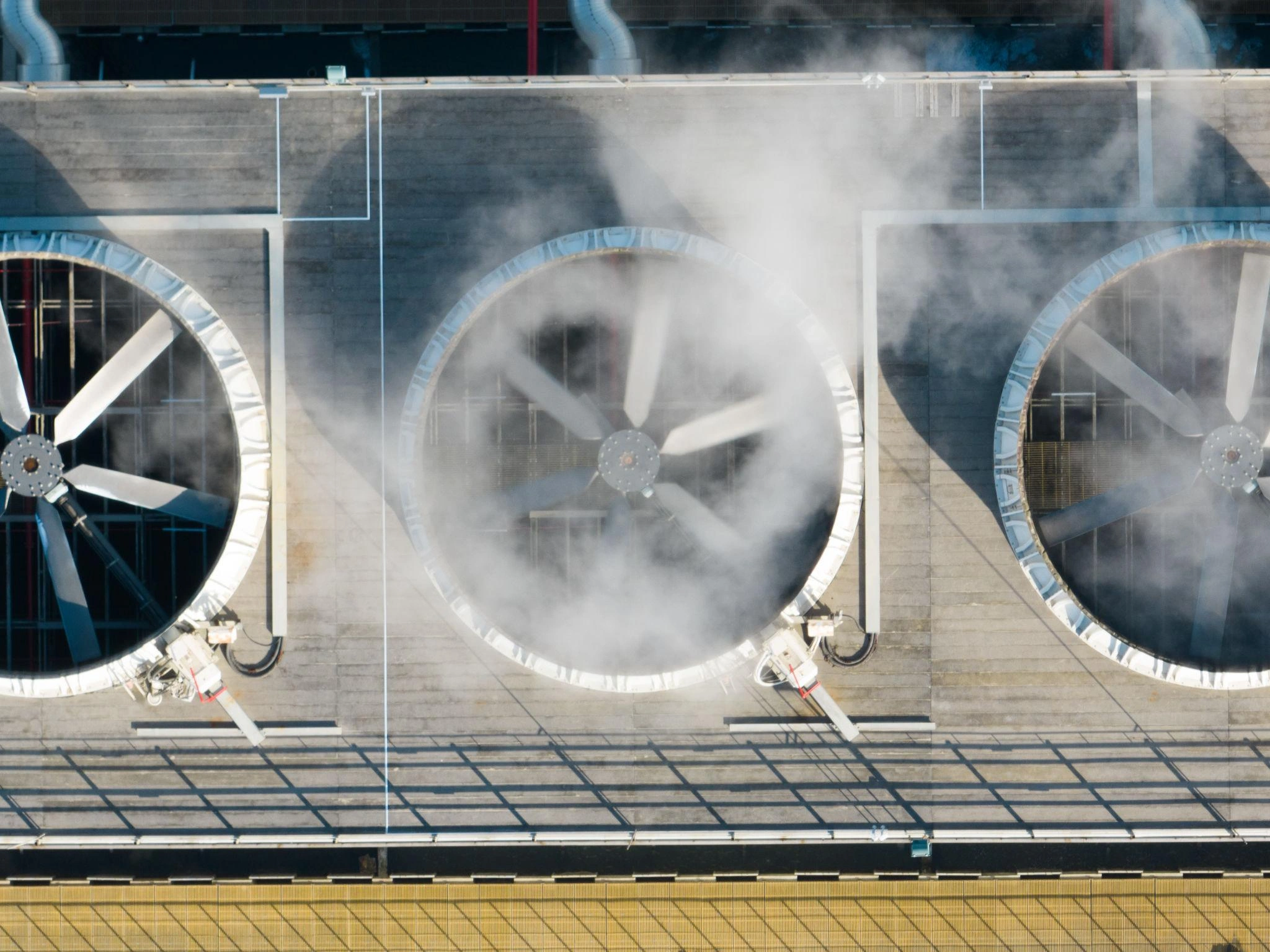
2. Cooling systems have to work longer:
Air conditioners cool the air and also remove excess moisture. But in humid conditions:
- Cooling systems spend more energy on dehumidification.
- The cooling cycle becomes longer.
- The compressor runs more frequently.
As a result, systems consume higher electricity but give low efficiency.
3. Moist air retains more heat:
Humid air contains more heat compared to dry air, which makes cooling systems work harder to remove heat quickly and maintain consistent indoor temperatures. As a result, the cooling system works slowly, and you feel uneven comfort.
4. Heat exchange efficiency is reduced:
The cooling system mostly relies on heat exchange to reduce the temperature of indoor spaces. High moisture levels interfere with heat exchange and reduce the effectiveness of cooling coils. As a result, your AC takes a longer time to cool the space.
5. Creates sticky and damp environments:
If the temperature of space drops slightly, excess humidity creates clammy indoor air, damp surfaces, and discomfort environment in the space.
What Are the Signs That Indicate Your Cooling System is Affected by Humidity?
If you are not sure why your cooling system works inefficiently, then look for these signs that indicate your cooling system is affected by humidity.
- Space doesn’t feel cool while AC runs continuously.
- Indoor environments feel sticky or damp.
- Increase electricity bills.
- Observe a musty or moldy smell.
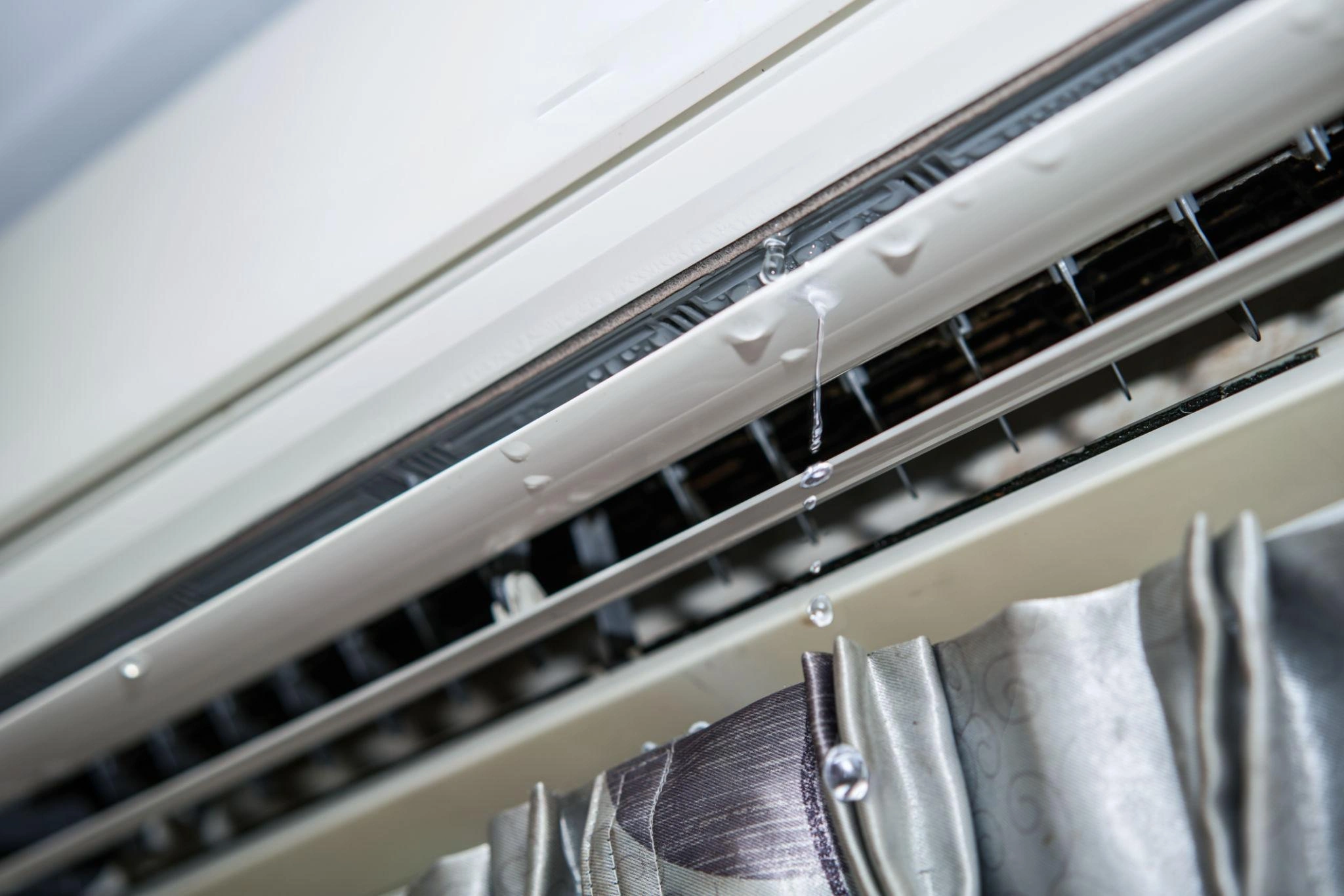
- See water condensation on walls or windows.
- Feels uneven cooling in space.

What is the Difference Between AC cooling and Dehumidification?
If you understand the difference between AC cooling and dehumidification, it helps you to use your air conditioning more effectively, especially in humid conditions.
| Feature | AC cooling | Dehumidification |
| Main focus | Lowers temperature | Removes moisture |
| Comfort type | Cool air | Dry, less sticky air |
| Best use conditions | Hot and dry weather | Humid and rainy conditions |
| Energy consume | Higher | Lower |
| Effect on humidity | Moderate | High |
What Are the Practical Ways to Improve the Efficiency of Your Cooling Systems?
These are some practical ways that help you to improve the efficiency of your cooling systems.
- Use dry mode on your AC during monsoon or humid days.
- Improve ventilation systems to reduce indoor humidity.
- Seal your home properly when the AC is running.
- Regularly maintain your AC to work efficiently.
- Use a dehumidifier to reduce the load on the AC.
- Choose the right AC size to ensure balanced cooling and dehumidification.
What Are the Benefits of Managing Humidity Properly?
There are several benefits of managing humidity properly in your space.
- Feel better comfort.
- Reduce electricity consumption.
- Improve the lifespan of your AC.
- Maintain healthy environments.
- Improve health.
- Provide better sleep quality.
Conclusion:
High humidity is the biggest reason that reduces the efficiency of cooling systems. It not only affects the room temperature but also forces your HVAC system to work harder, consume more energy, and reduce comfort. If you follow us, you can easily improve the efficiency of your cooling system by making a few simple changes, such as using dry mode in your AC, maintaining your cooling system daily, improving ventilation systems in your space, and managing indoor moisture.
FAQs Regarding High Humidity Make Cooling Systems Inefficient:
Q1. Why does my cooling system not cool spaces properly in the rainy season?
Ans: Because high humidity makes your cooling system work harder to remove moisture, and also reduces the overall cooling efficiency of your cooling system.
Q2. Does humidity increase my electricity bills?
Ans: Yes, high humidity increases electricity bills by forcing cooling systems to work longer and harder, which increases the energy consumption.
Q3. What is the ideal humidity level for indoor home comfort?
Ans: The Ideal humidity level for indoor home comfort is between 30% and 50%. While the above level creates a damp environment, the level below may cause excessive dryness.