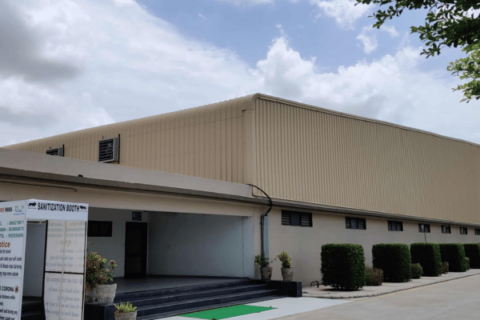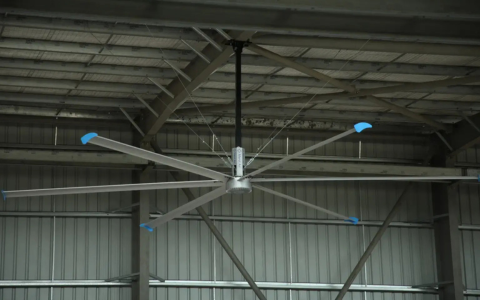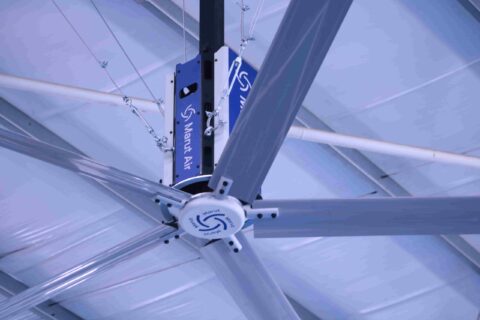

Have you ever noticed that when you walk into a factory, the air feels heavy, dusty, or hard to breathe? Industries are focusing on machinery to run production, but no one notices workplace air quality, which plays a major role in maintaining safety and a healthy environment.
In many industries, employees are consistently exposed to dust, fumes, and airborne hazards. We all know poor air quality directly affects employee health, reduces workers’ focus, which affects the overall performance, and increases workplace accidents.
In this guide, you will learn about the link between air quality and worker safety in factories and what factories can do to create a safe and healthy environment in the workplace.
What Is Air Quality in Factory Environments?
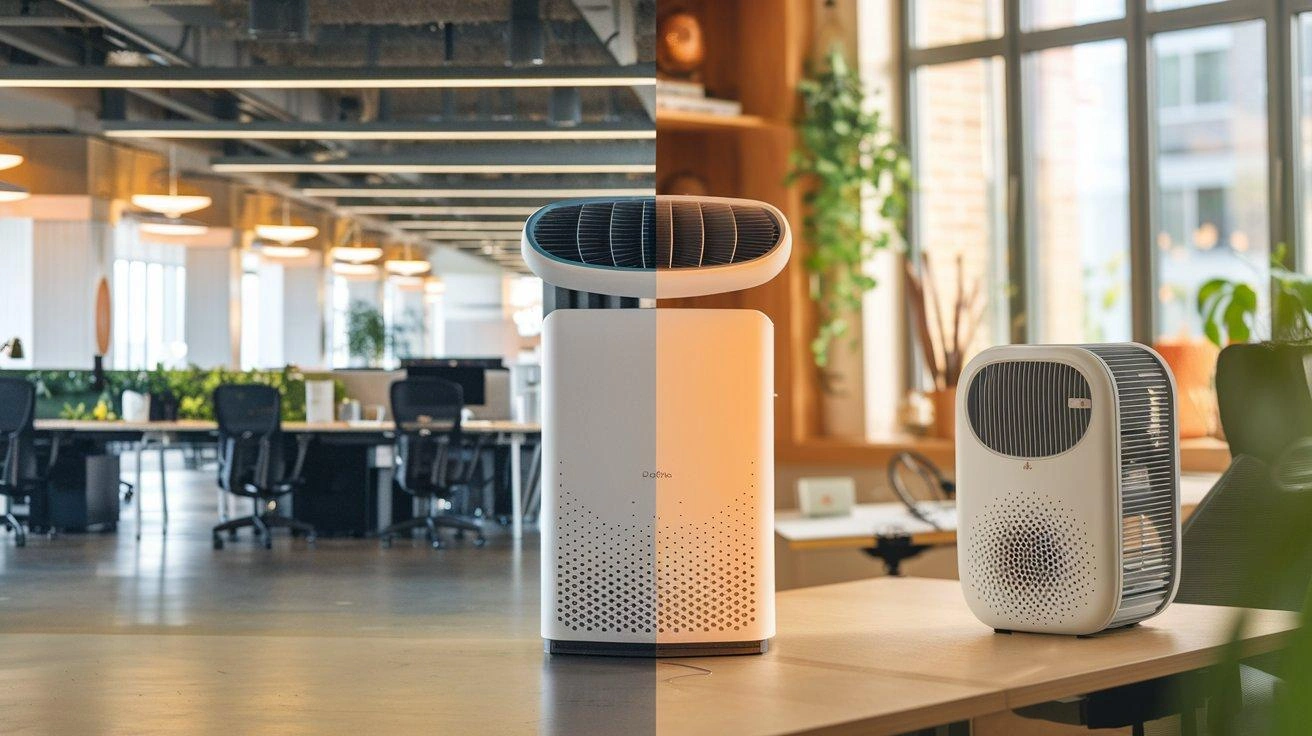
Air quality is the condition of the air in the workplace of factories, including the level of pollutants, ventilation facilities, and oxygen levels. Factories often contain a high level of concentration of airburn contaminant due to the manufacturing process.
Some key components of industrial air quality:
- Particulate matter (PM): Some fine particles, dust, and smoke are generated when performing operations.
- Chemical gases and fumes: These harmful elements are released when doing painting, welding, or any chemical reactions.
- Biological contaminants: Due to poor maintenance, mold, bacteria, or allergens may occur in some areas.
How Does the Poor Air Quality of Factories Affect Worker Health?
Sometimes, you cannot see the immediate warning sign of consuming poor-quality air in a factory, but over time, it may cause serious short-term or long-term health issues.
Some short-term health risks:
You can see these symptoms quickly while observing your face in the mirror. These effects reduce concentration and affect the overall daily performance.
- Irritation of the eye, nose, and throat due to chemical exposure.
- Difficulties in breathing due to poor ventilation systems.
- Dizziness and headache due to inhaling low-quality air.
- Energy loss and fatigue.
Some long-term health problems:
May cause serious health issues by continuously consuming low-quality air for a long period of time.
- May cause respiratory diseases such as asthma or chronic diseases.
- Reduce the functionality of the lung.
- Increased risks of heart related issues over time.
- May cause occupational illness.
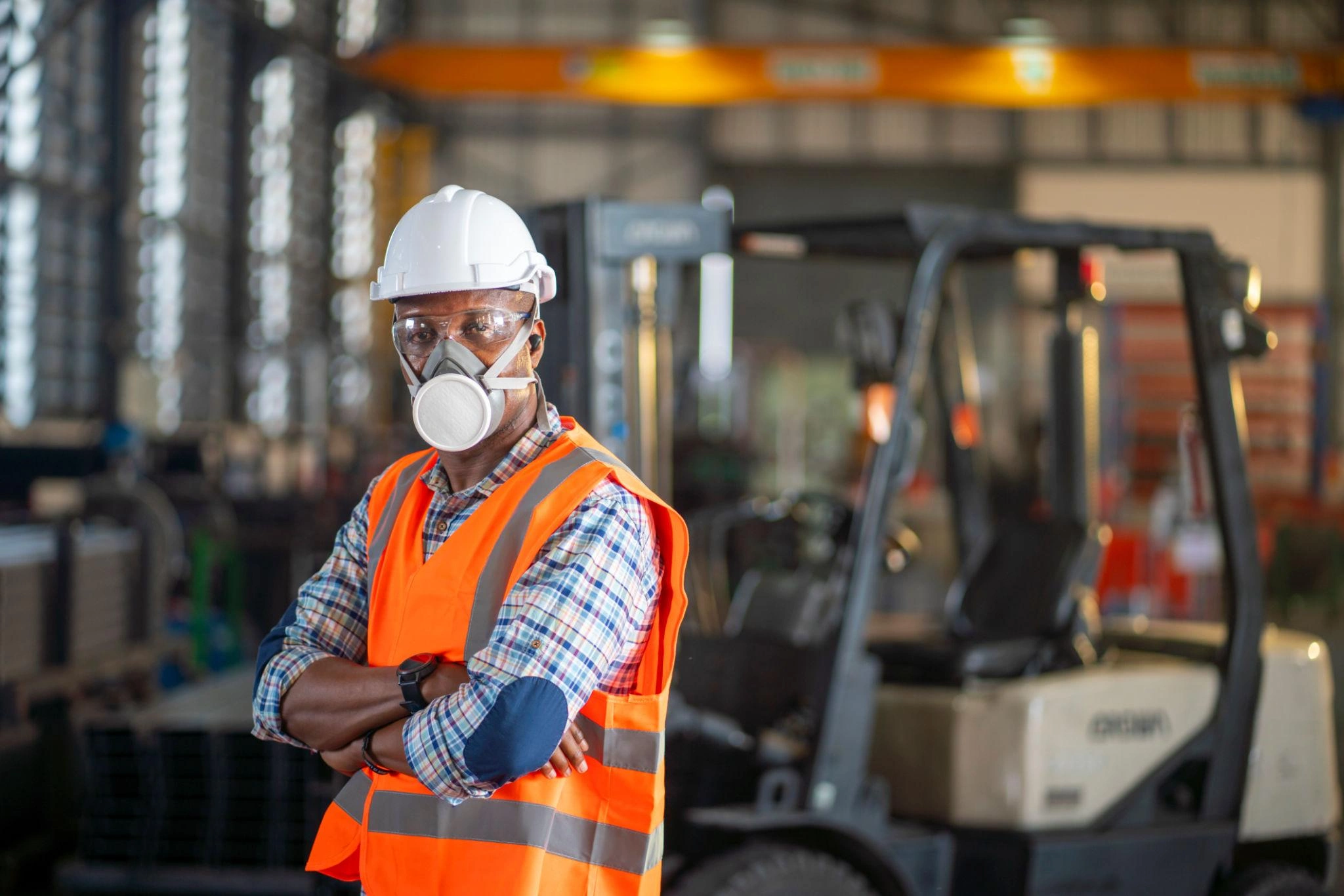
What Are the Direct Impacts of Air Quality on Employee Safety?
The air quality of factories directly affects worker productivity. If the place is filled with harmful gases, dust, or fumes, then that creates an unhealthy environment. While a fresh air environment helps workers to stay healthy and focused. Some direct impacts of air quality on employee safety.
1. Reduce focus and productivity:
Consuming low-quality air makes workers quickly tired, dizzy, or mentally foggy, which reduces worker concentration and thinking ability. Due to this, workers are not able to give their 100% in the work, which decreases work efficiency.
2. Increase accidental risks:
Poor air quality changes the working environment, due to which dust and smoke reduce the visibility and make it hard to operate machinery safely. It may lead to irritation issues for workers, which distract them from work and increase the chances of accidents.
3. Lead to health issues:
When workers work in an unhealthy environment, their ability to perform work is reduced. If someone already has breathing problems, then an unhealthy environment creates a serious situation for them. Consuming polluted air for a long time may cause long-term health problems.
Why is the importance of Air Quality for Compliance and Regulations?
According to the Factories Act 1948, factories must operate safely while minimizing the risks to workers and maintaining a healthy environment. If any factories ignore the Indian safety law, it may lead to penalties, legal action, and serious health issues for employees.
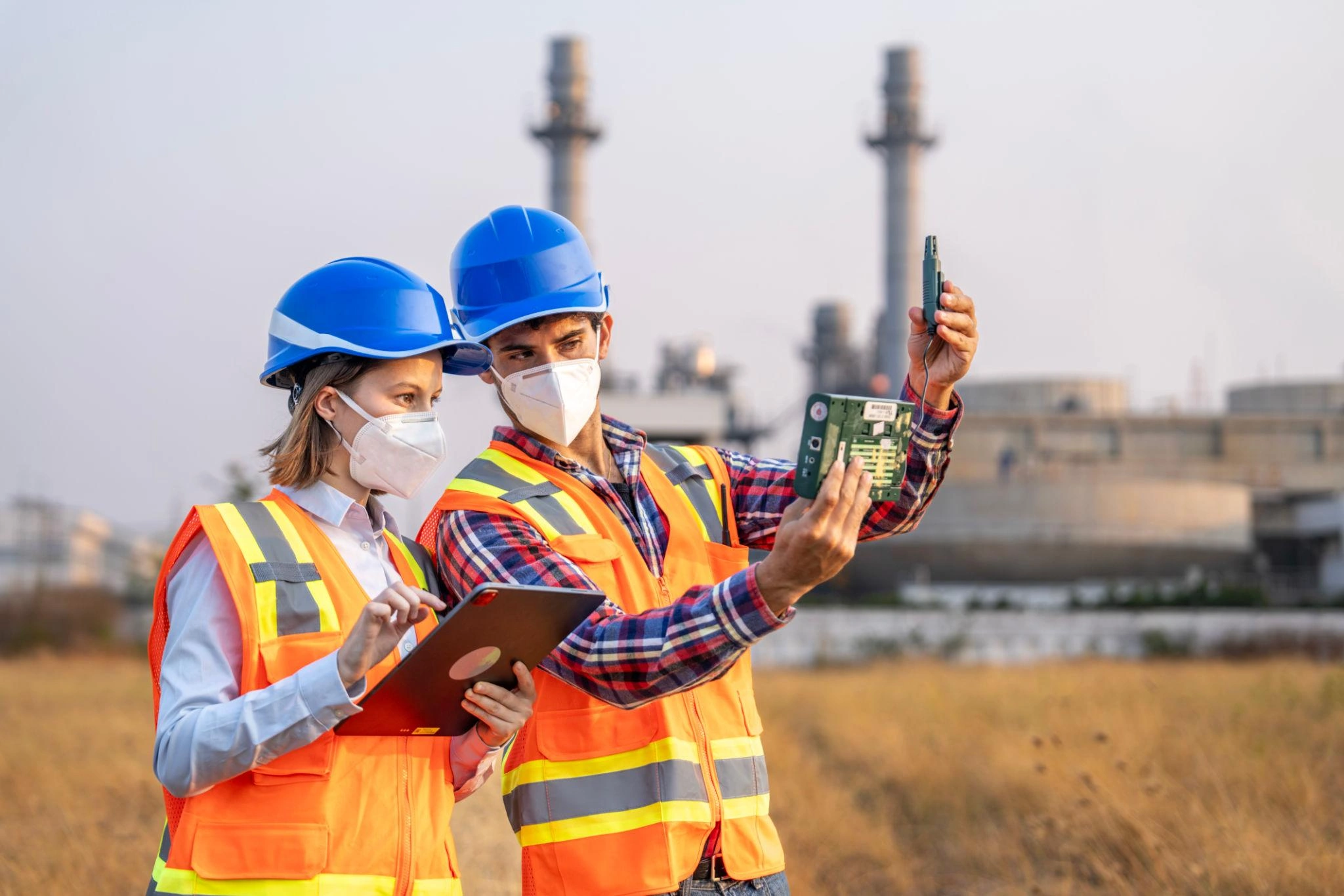
1. Occupational safety standard:
This standard defines Permissible Exposure Limits (PELs) to limit the exposure to pollutants to protect the workers from harmful conditions. According to these standards, factories must monitor the workplace air quality, control emissions, and install proper ventilation systems to stay within the guidelines. If any factories fail to maintain these guidelines, they may face fines, legal complications, or have to shut down.
2. Employer responsibility:
They have both legal and ethical responsibilities to provide a safe working environment. Factories must follow safety regulations, exposure limits, proper ventilation systems, and pollution control systems to avoid risks and show commitment to employee well-being.
What Are the Effective Ways to Improve Air Quality in Factories?
These are some effective ways to improve the air quality in industries.
- Install modern ventilation systems: To ensure continuous airflow and remove airborne substances from the workplace.
- Use an industrial air filtration solution: Used to collect harmful particles before they spread in the air.
- Do regular maintenance of air monitoring systems: Regularly inspect air monitoring systems to ensure systems are working efficiently.
What Are the Benefits of Maintaining Fresh Air Quality in Factories?
There are several benefits of maintaining fresh air quality in the factories.
- Creates a healthy workplace.
- Enhance work productivity.
- Minimized chances of operational risks.
- Make better compliance and reputation.
- Maintain worker health and focus.
Conclusion:
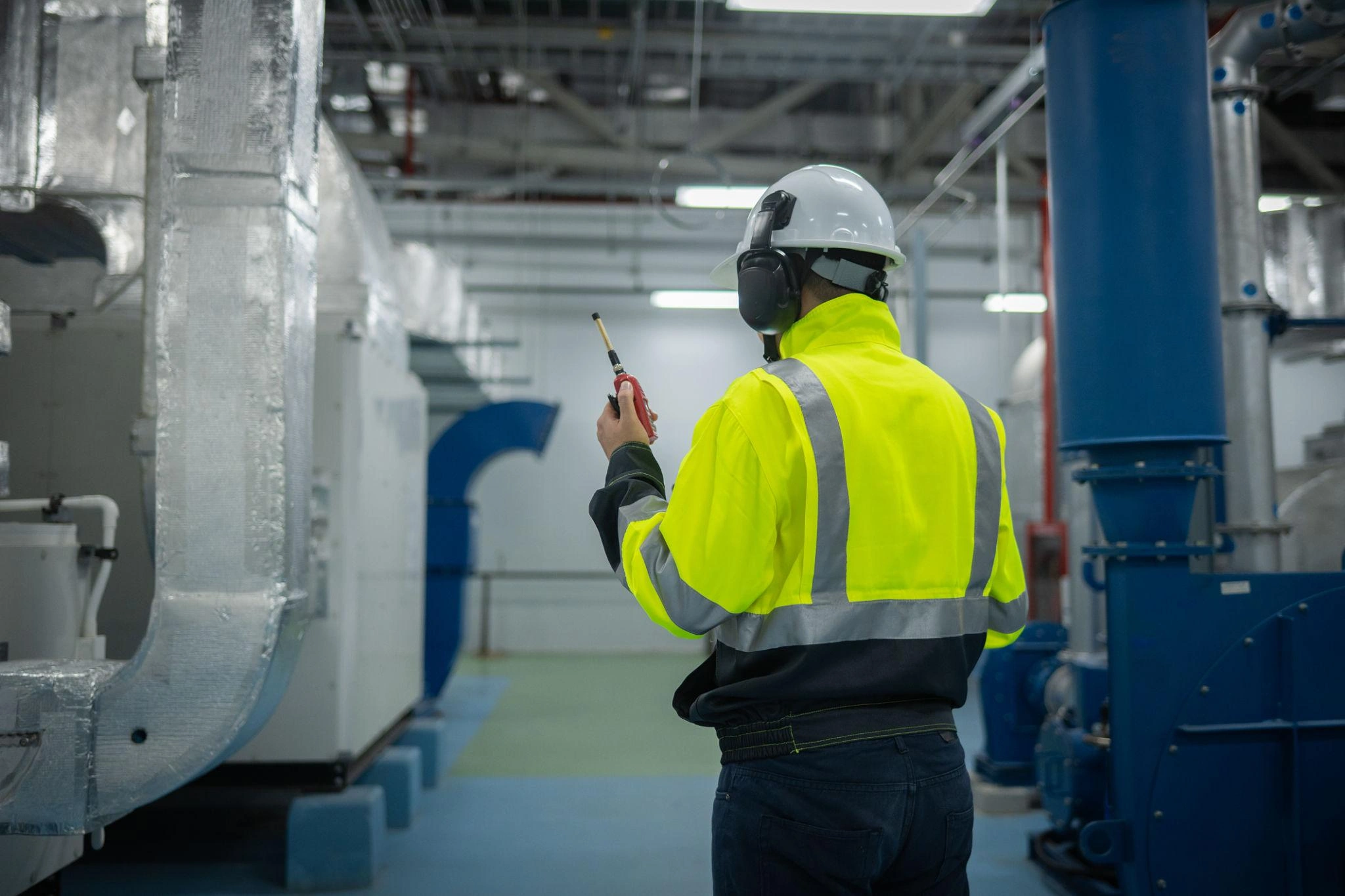
Quality air is very important for ensuring work safety in the factories. Low-quality air harms the workers, increases the risks of accidents, and reduces the overall performance. If you want to make a safe and healthy working environment in your factories, then invest in modern ventilation systems, air filtration, and monitoring systems. A healthy environment maintains your working professional healthy, focused, and productive.
FAQs Regarding the Link Between Air Quality and Worker Safety in Factories:
Q1. How do factories improve indoor air quality?
Ans: Factories can improve indoor air quality by installing modern ventilation systems, which bring fresh air and move out polluted air from the workplace. Many companies use dust collectors and air filters to capture harmful particles before spreading. Regular maintenance of air monitoring systems ensures all systems are functioning efficiently.
Q2. What are the health risks from poor industrial air quality?
Ans: Poor air quality can cause short-term health issues like eye irritation, breathing problems, and headaches. If consumed for a long time, it may cause long-term issues like asthma, lung problems, and serious respiratory issues.
Q3. Why is quality air important for factory workers’ safety?
Ans: Because quality air helps workers to stay healthy and focused while working in the industries. It creates healthy environments, reduces the chances of health risks, and helps workers work efficiently.