
Large Ceiling Fan
Leading Large and Big Ceiling Fan Manufacturer in India
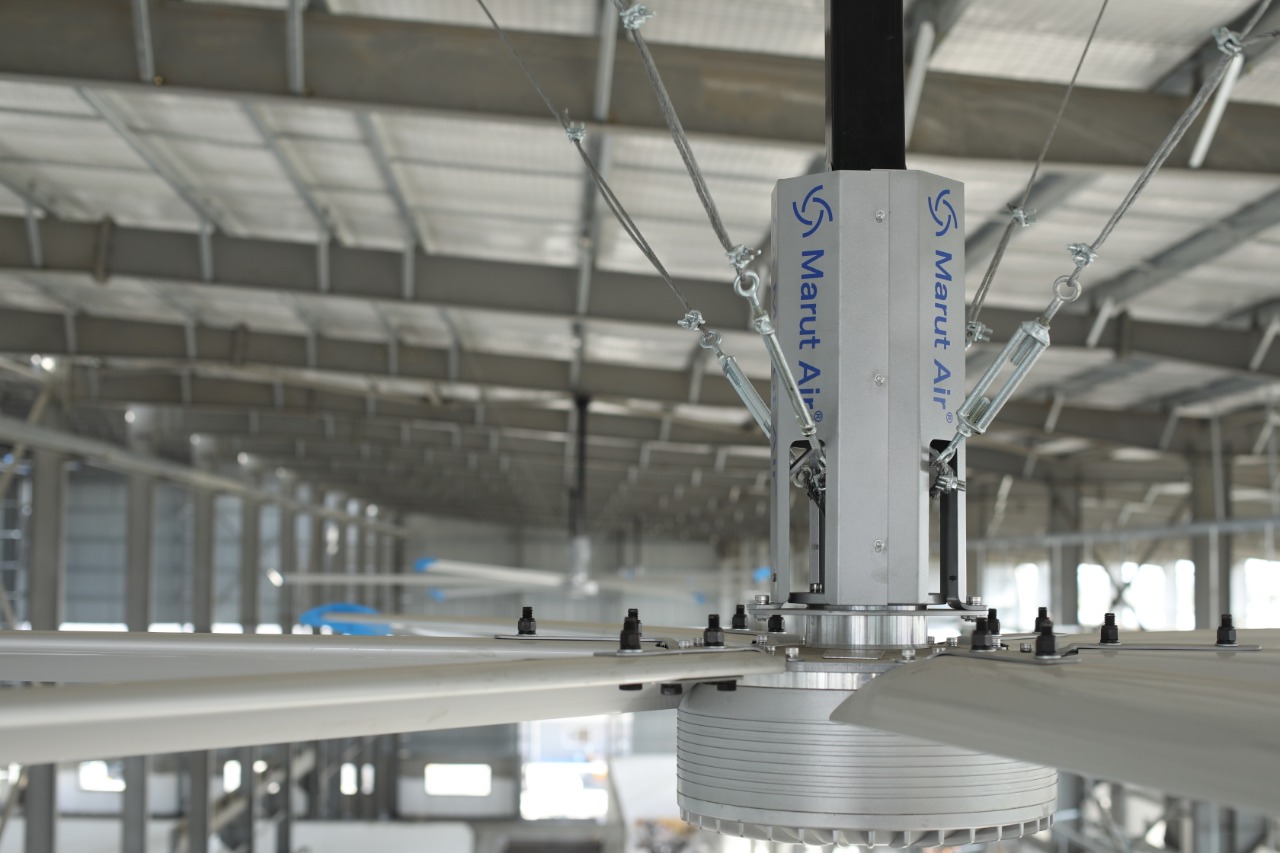
The large ceiling fans sold by Marut Air Ventilation Engineers are some of the bests for industrial, commercial and domestic use. At our manufacturing unit the highest quality raw materials are used to make the Large Ceiling Fans following adherence to global norms. We provide end-to-end services in energy-efficient ventilation and distribute our products all throughout India.
What are Large Ceiling Fans?
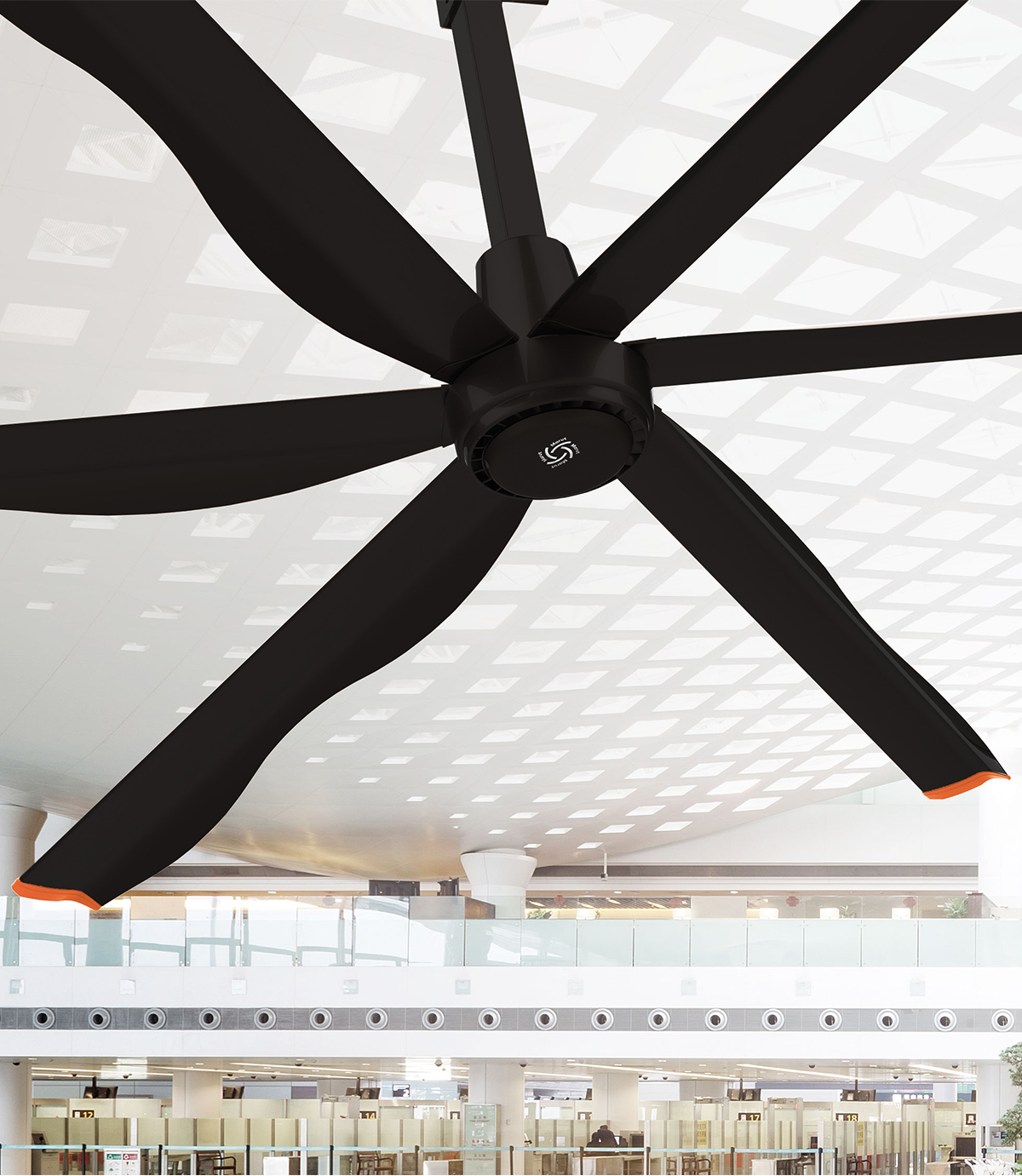
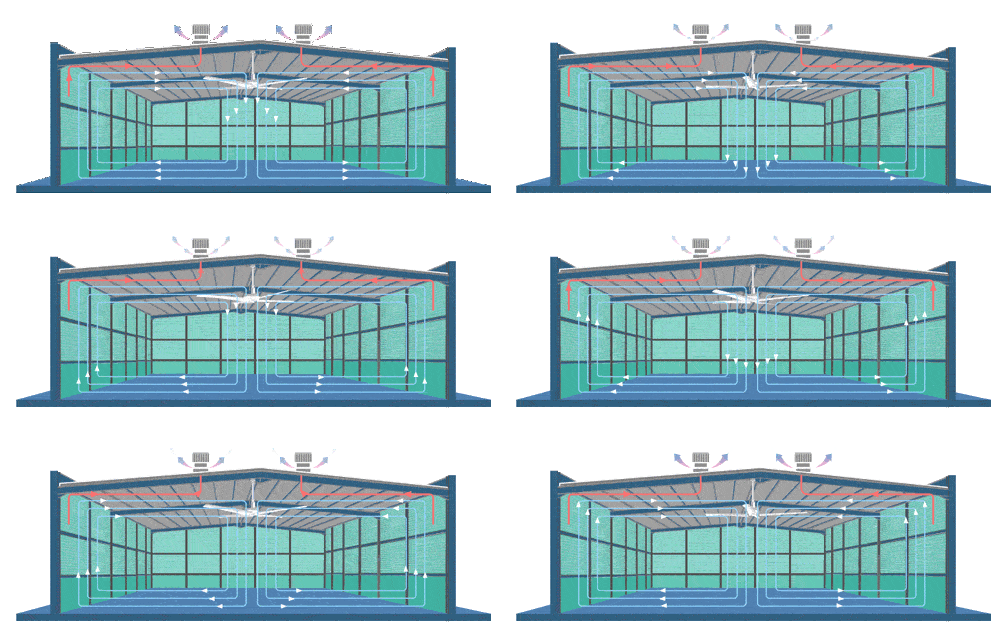
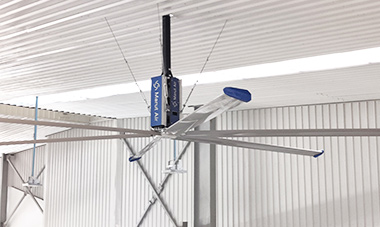
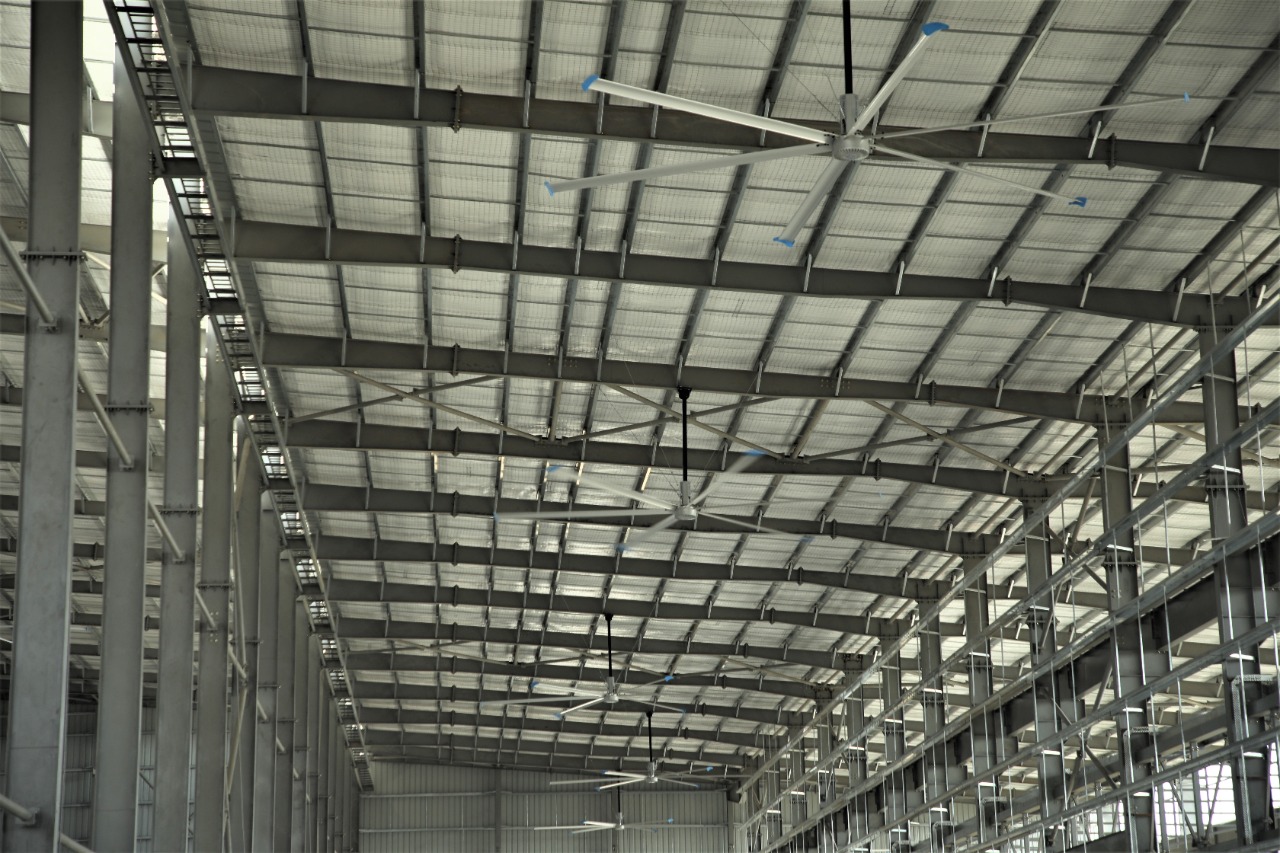
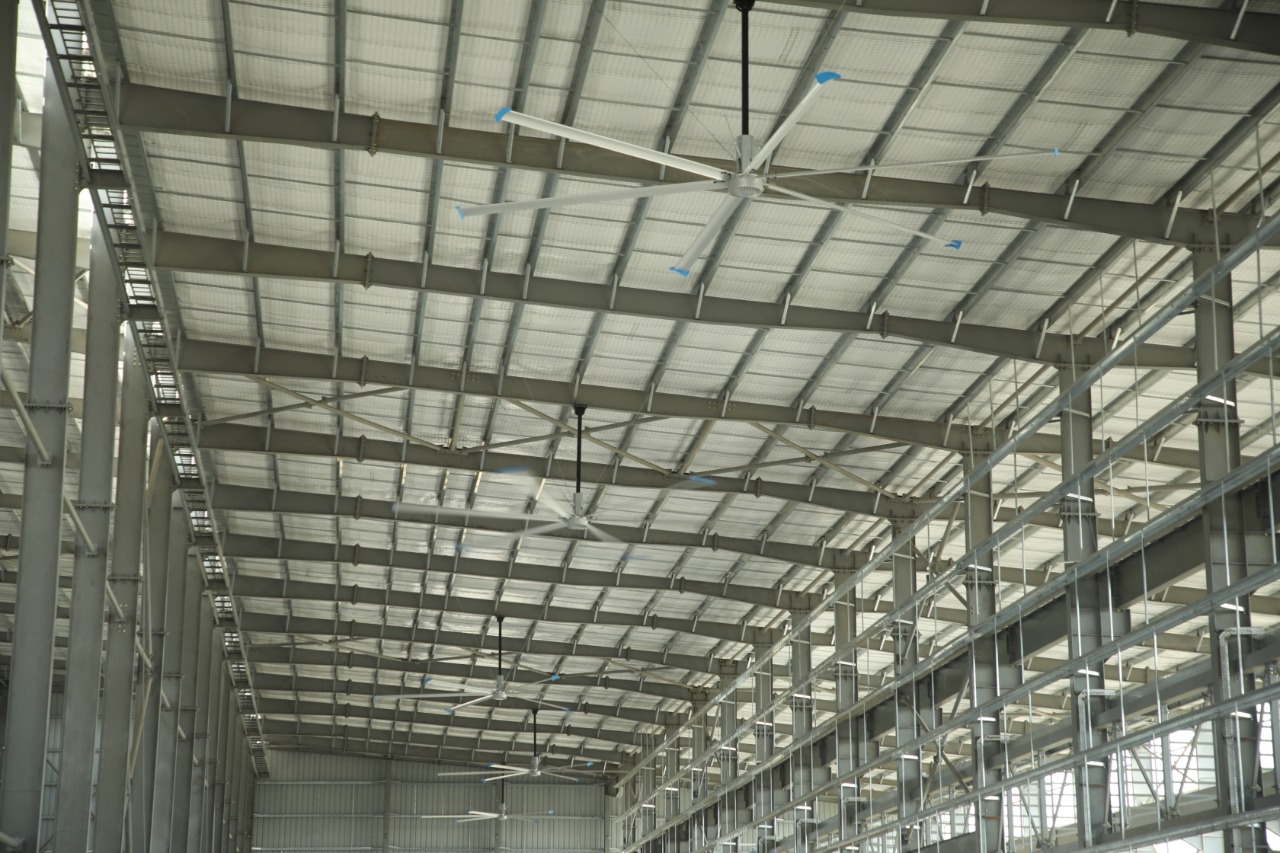
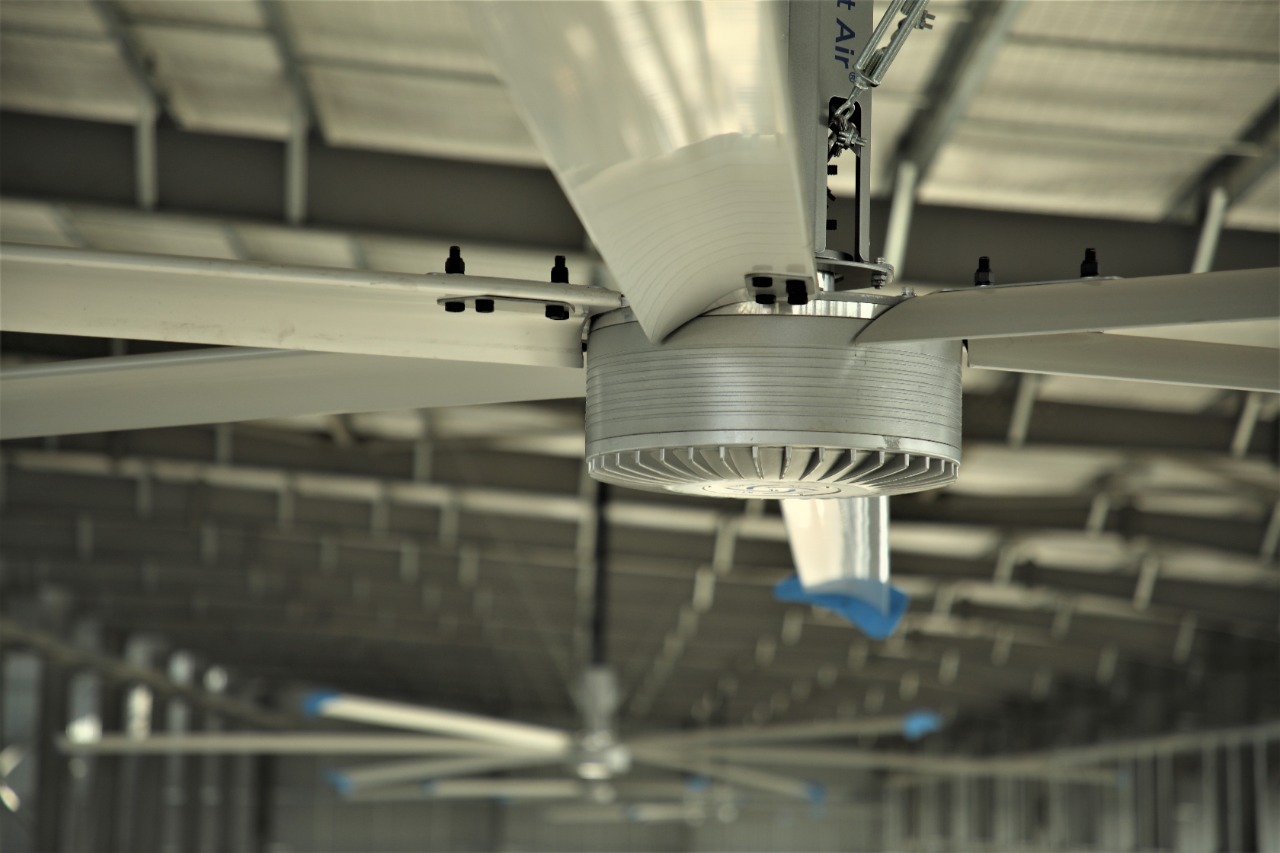
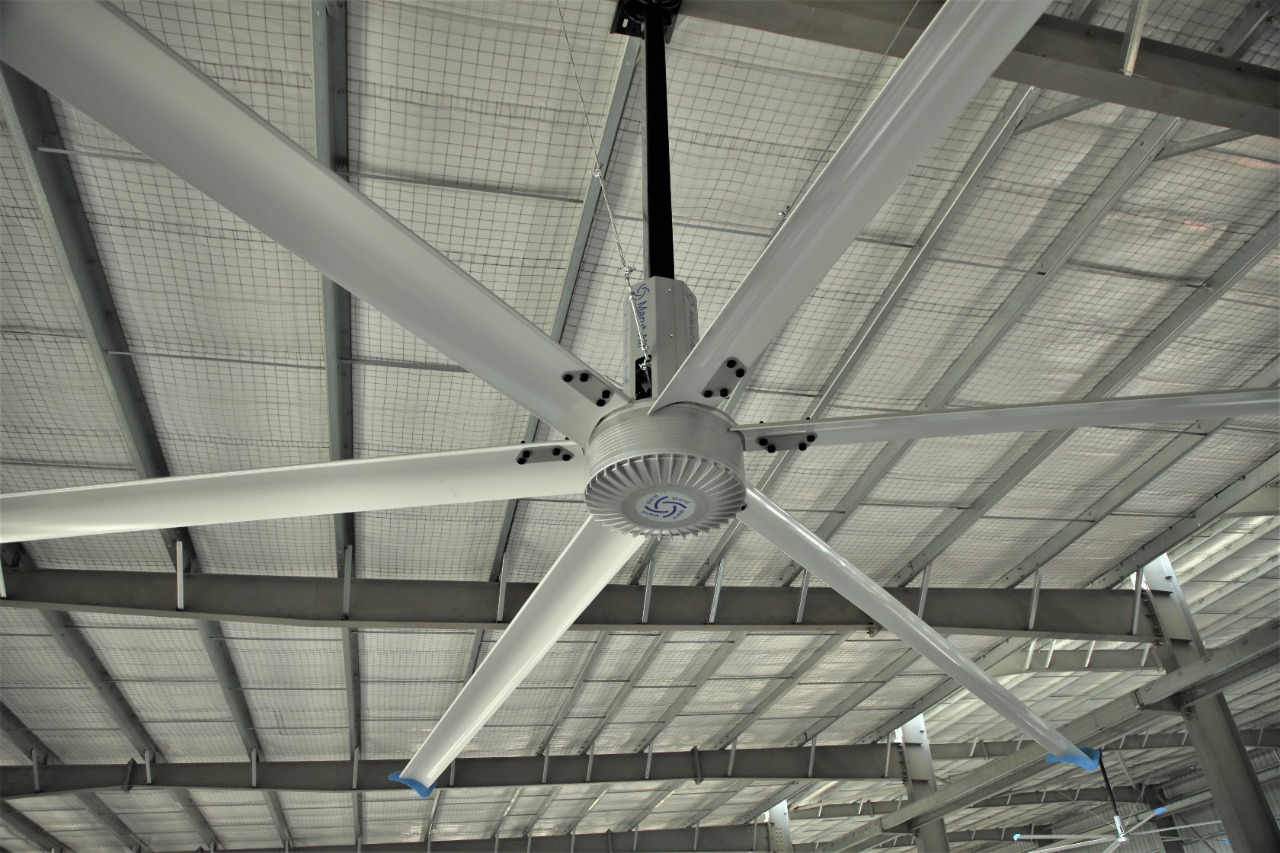
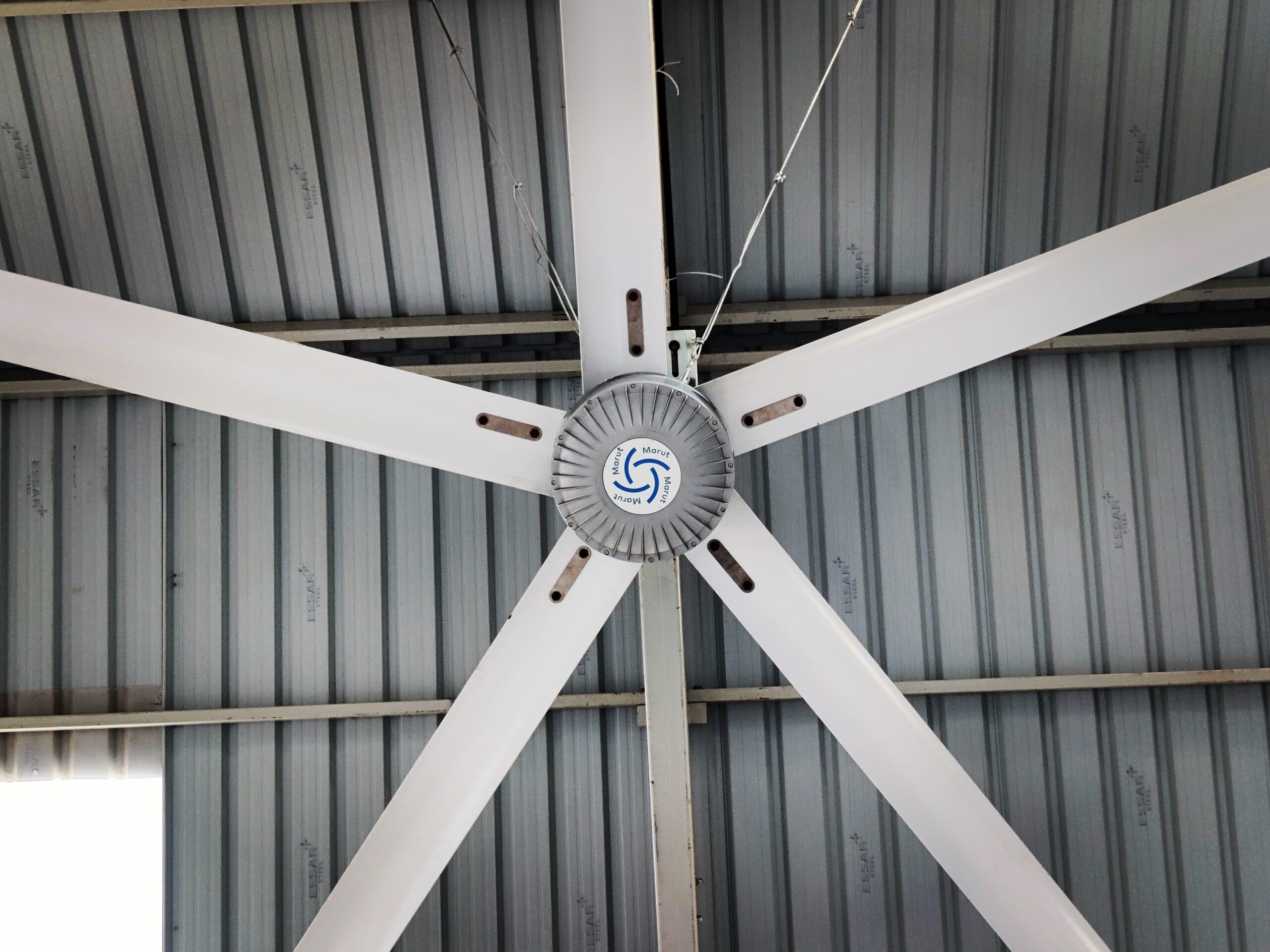
In order to effectively circulate air over wider distances, a Large Ceiling Fan is utilised to generate a huge Column of air that flows down to the floor. This Vertical Column is than horizontally pushed outward in all directions, thereby creating a horizontal floor jet, hence cooling any place significantly.
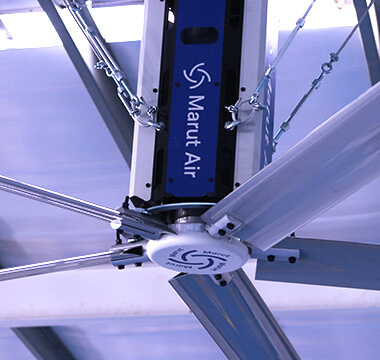
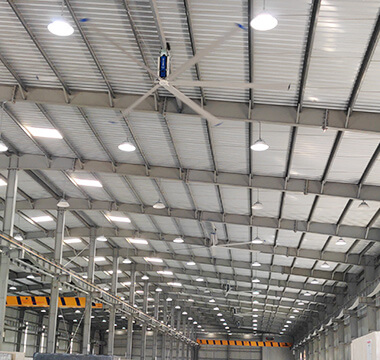
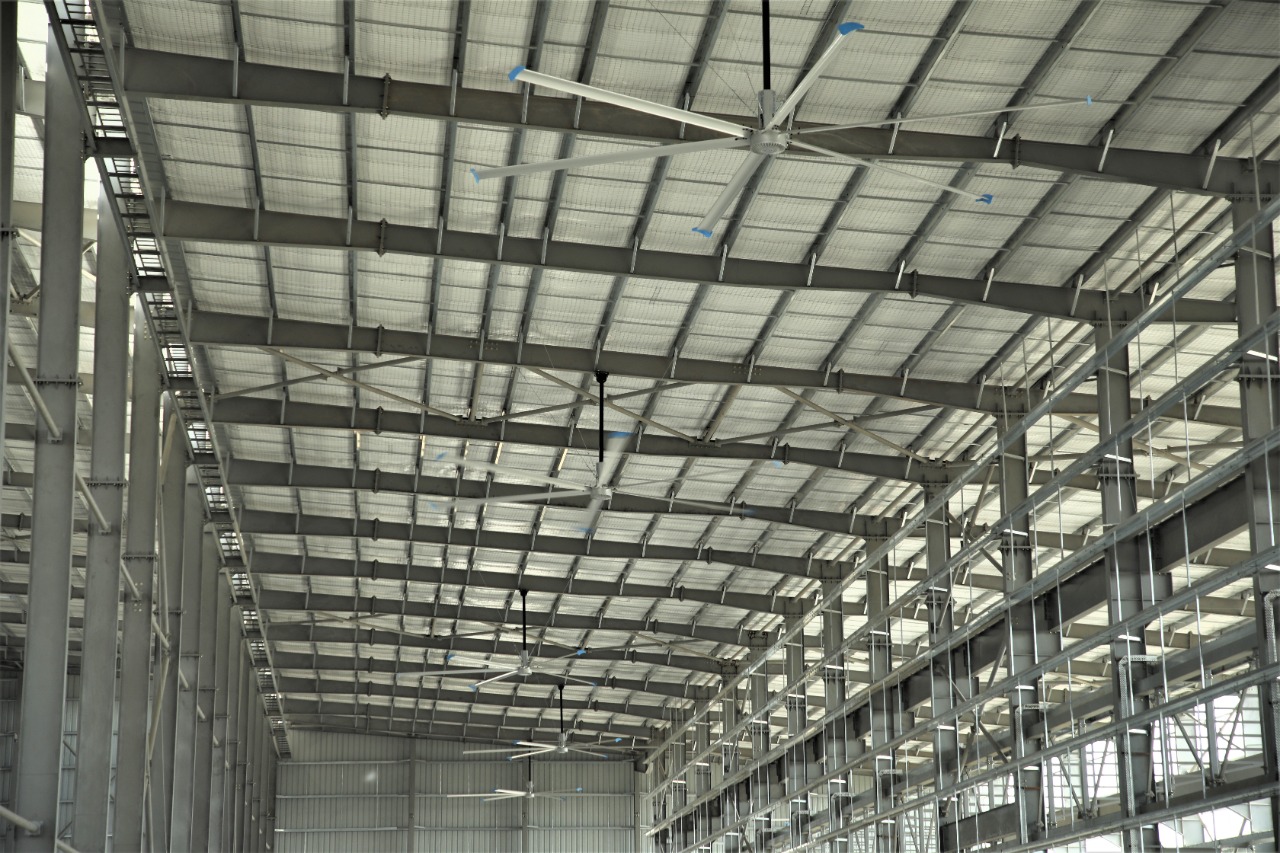
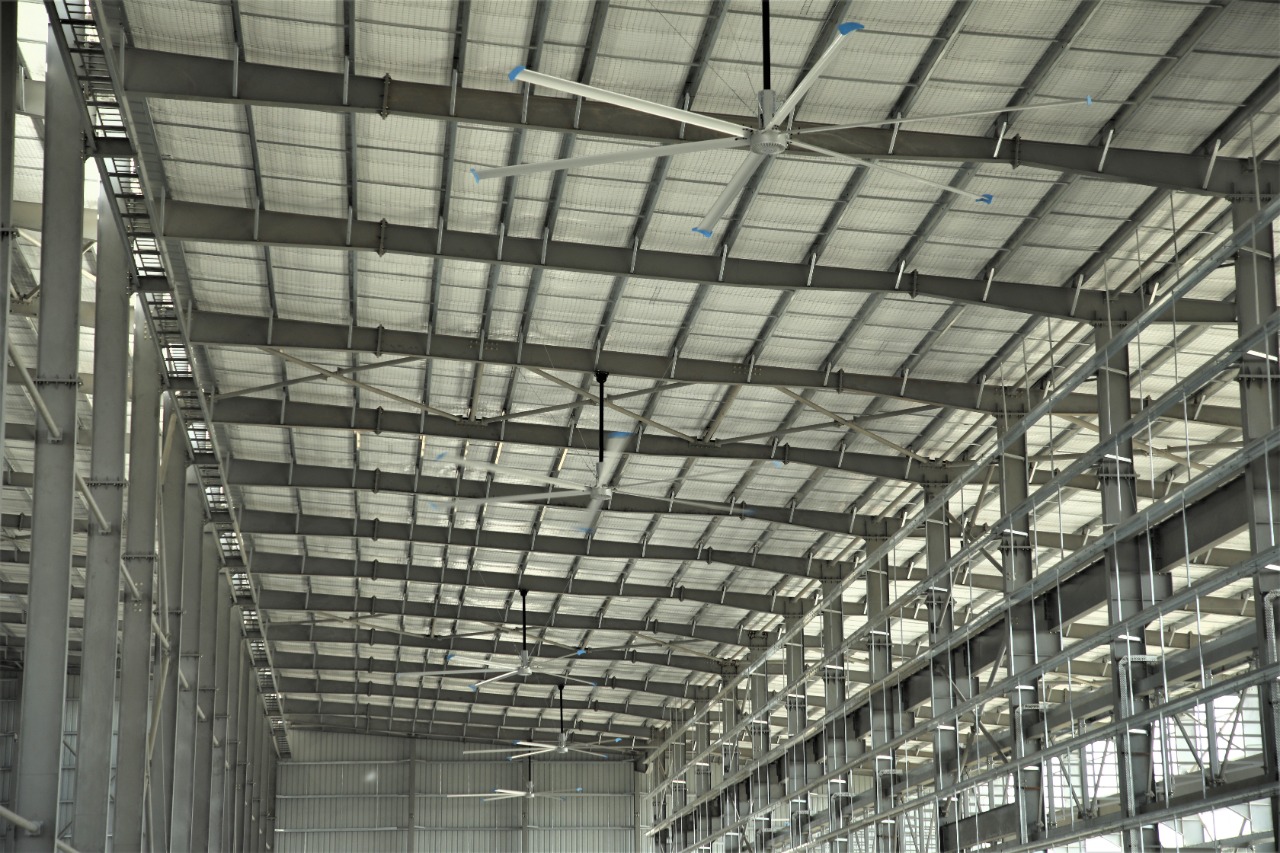
A HVLS Fan like the Marut Air Big Ceiling Fan may produce a breeze that can make a room feel 4 to 6 degrees cooler. It comes in diameters of 10, 12, 16, 18, 20, and 24 feet. Huge Ceiling Fans are made specifically for buildings with tall ceilings. A huge ceiling fan is best suited for a warehouse, a single-story shopping mall, a sports arena, or a similar open or closed large area. Big ceiling fans can help save money on cooling costs while also improving comfort and productivity.



Trusted by industry leaders






Application
MARUT AIR LARGE CEILING FANS are already being used for a variety of applications, some of them are:







Benefits of Large Ceiling Fan
- Creates a more pleasant workplace, resulting in happier and more productive workers. Because it lowers how hot it feels.
- Cuts down heat and humidity on the Workplace.
- The heat generated by machines in factories makes it uncomfortable to work in. Worker health is negatively impacted by the resulting heat stress. The Marut Air Large Ceiling Fan helps keep the workplace at a comfortable temperature for the personnel.
- You can cut costs by not running the air conditioning in the office after installing a large fan. Saves perishables by reducing humidity and moisture in the air.
- Preserves the cleanliness of the workplace and its surroundings.
Big Ceiling
Fan Manufacturer in India
Leading manufacturer of big ceiling fans in India. CE certified, high quality, energy efficient fans for industrial and commercial applications.


Advantages Of Large Ceiling fans
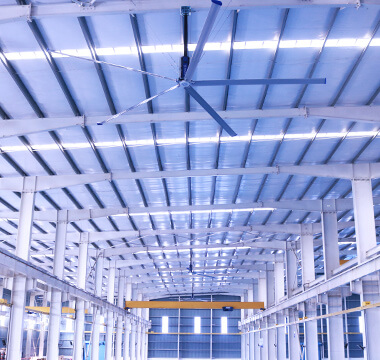
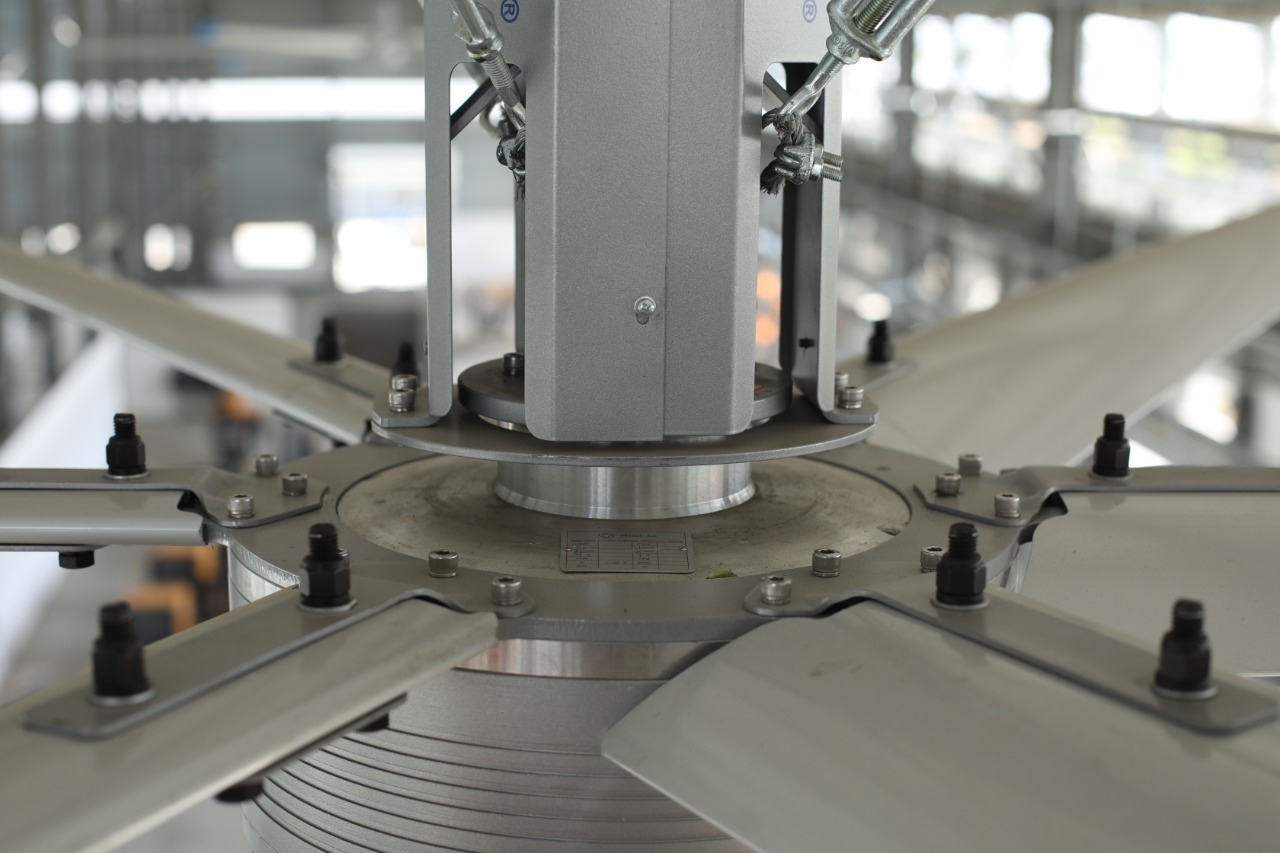
Though the Large Ceiling fans are quite huge, they work silently and work at a negligible maintenance. They not only enhance the air quality of a place but help in enhancing appearance too.
They have a pretty long lifespan, thanks to Marut Air’s quality engineering, and they’re made to be highly energy efficient compared to normal industrial fans.
Along with lessening the dust build-up, they also have an effect on annoying flying insects. With a large Ceiling Fan by Marut Air, you can expect consistent air pressure and experience a significant temperature drop, making it feel like it’s 5 or 6 degrees cooler. By using a Large Ceiling Fan, you can ensure that the air quality and temperature is consistent everywhere on the premises.
The Physics Behind How HVLS Fans Move Air So Efficiently
Compared to small fans, whose fans must turn fast to get the air moving, the gigantic fans with massive blades turn at a low RPM but move a truly immense amount of air. That is the High-Volume, Low-Speed (HVLS) concept: the air moves the volume-of-the-fan-itself-in-1 slow rotation instead of pushing a tiny stream at hyper-speed. Instead, the airflow is spread wide at floor level creating an even, pervasive but smooth breeze as compared to a blasting torrent of high speed fans’ noise.
Better fan performance compared to a high-speed equivalent – produces significantly less load, noise, and power draw at lower RPM Higher RPM – equivalent air speed and larger surface area compared to a smaller, higher-speed fan (less rotations needed to cover area), moves 30-40 percent more air than a normal high-speed fan More uniform and less turbulent – good for leaving lighter products/paperwork below undisturbed.
How Many Large Ceiling Fans Does Your Building Need?
It’s not enough just to go bigger-and broader when trying to size a fan. Instead, it depends on how well the coverage of the fan will perform in your footprint of space, considering ceiling heights too. You might be surprised to learn you’re actually replacing several smaller fans with just one larger unit, though placement at a height of six feet or so will determine how efficiently that coverage impacts the ground.
- Ceiling height: the higher the ceilings, the wider the diameter of the fans can be. High ceilings especially lend themselves well to airflow which can reach the occupants below.
- Floor area per fan: Fans come in different diameter sizes and have a coverage radius, so fans should be appropriately placed so as not to have gaps where airflow doesn’t reach, or have too much fan output over.
- Open vs. Obstructed layout: Racking, shelving, partition walls, mezzanines can all impede airflow, and a smaller fan might need to be strategically placed in a gap.
- Mounting clearance: the diameter of the fan that fits under your roof structure or onto ceiling beams.
One Large Ceiling Fan vs. Multiple Standard Fans: Which Is More Cost-Effective?
|
Factor |
One Large Ceiling Fan |
Multiple Standard Fans |
|
Installation points |
Single mounting location |
Multiple mounting/wiring points |
|
Energy Consumption |
Lower overall draw for equivalent coverage |
Higher combined draw across units |
|
Maintenance |
One unit to service |
Several units to inspect and maintain zones |
|
Airflow consistency |
Even coverage across the space |
Uneven coverage with possible dead zones |
|
Noise |
Operates quietly at low RPM |
Combines noise from multiple motors |
|
Upfront cost |
Higher per unit |
Lower per unit but adds up across multiple fans |
Frequently Asked Questions About Large Ceiling Fans
- Do I really need a fan this big, or would a few regular ceiling fans do the same job?
A few regular fans can move air in their immediate area, but you’ll usually end up with hot and cold spots — some corners get airflow, others don’t. A large ceiling fan is built to push air evenly across the entire floor, so you get consistent comfort throughout the space instead of patchy relief near a handful of small fans.
- Will it actually make the room feel cooler, or is that just marketing talk?
It genuinely does — but it’s worth understanding how. The fan doesn’t lower the room’s actual temperature; it creates a steady airflow that helps sweat evaporate off your skin faster, which is what makes a space feel noticeably cooler even though the thermometer reading hasn’t changed. That’s why people often report it feeling like a 4–6 degree drop.
- My ceiling isn’t that high — can I still install one of these?
In most cases, yes. It depends on your ceiling height, the fan’s diameter, and required clearance. Smaller diameters (10–12 ft) generally suit lower ceilings, as long as there’s adequate clearance so no one walking or standing tall comes close to the blades.
- I’m worried about noise — won’t something this size be loud?
It’s actually the opposite of what most people expect. Because these fans move large volumes of air at slow rotation speeds, they run quieter than a room full of smaller fans all working at high speed to cover the same area. Bigger and fewer means less noise, not more.
- Is this going to replace my air conditioning, or do I still need both?
Often, yes — in warehouses, workshops, and open showrooms, a single large ceiling fan can bring enough comfort that AC stays off for most of the day. In spaces where AC is already installed, the fan works alongside it too, circulating air evenly to prevent hot spots and reduce the load on the AC unit.
- What happens in winter — do I just turn it off?
No need to. Many of these fans can run in reverse during colder months, gently pushing the warm air that collects near the ceiling back down to floor level — giving you more even heating throughout the space instead of a fan that only helps in summer.
Our certifications






Professional Installation




Request a Call Back