
Selecting an industrial HVLS fan is never a straightforward affair. Textile, foundry, and food processing operations all share spacious areas. But their air circulation requirements are entirely unique. Choosing a fan according to the floor area alone is bound to leave dead zones, waste energy, and possibly affect the production line itself. The following article explains how the internal process in your facility defines the right fan choice for you.
Process Requirements Trump Floor Area
When it comes to selecting an industrial HVLS fan, most consumers first ask, “How big is the shed?” They should be asking, rather, “What goes on in it?” Heat load, dust presence, moisture, and human and equipment movement all influence what the right air circulation will mean.
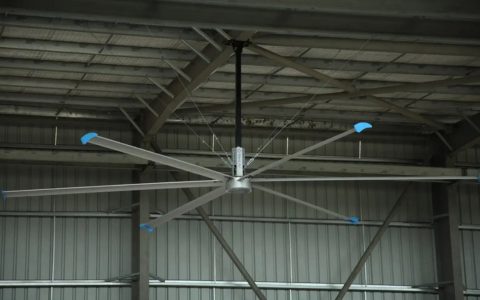
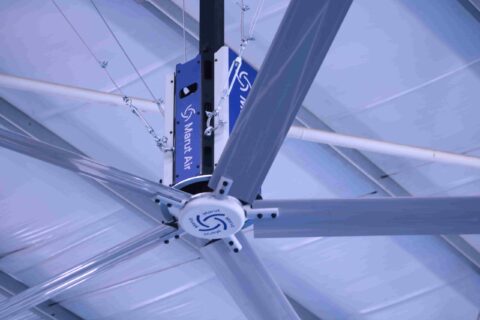
Industrial HVLS Fans (high-volume, low-speed fans) produce air columns of great volume but low speed using large blades. They function effectively on spacious premises. However, the blade diameter, mounting height, motor type, and speed control all need to match the process. Marut Air’s HVLS fan series is designed with such application-based selection in mind.
Heat-Intensive Processes: Foundries, Forgings, and Metal Work
Where there is heat, it is important to make sure the workers remain safe and have steady working conditions. Air circulation will allow for efficient evaporation of sweat and will prevent the accumulation of hot air near the ceiling, which leads to overheating.
Features to consider:
- Large blade diameters allowing the coverage of a large work area from one spot
- Heat-resistant motors and sealed elements capable of operating in a hot environment
- Variable speed control, which allows for adjustment of airflow according to changing conditions
Heat stress is officially recognized as an occupational hazard. Guidance from OSHA on heat exposure is a good point of reference for heat protection.
Dust Sensitive and Clean Processes: Pharmaceuticals, Foods, and Electronics
Where airflow may aid or hinder. If the fan is set to move air too aggressively, it could disrupt any settled dust or light-weighted products. In the case of clean and controlled environments, airflow efficiency should be preferred over forceful air movement. In this application area, take into account:
- Use lower speeds for gentle and smooth airflow
- Cleanable surfaces of fan parts
- Avoid where air is circulated over the open product lines.
The majority of applications provided above are standardized by the Bureau of Indian Standards (and others). Choose a fan suitable for you.
Applications With High Humidity: Textile, Paper, and Dairy Industry
In case the humidity is very high, the buildup of dead air results in moisture formation, fungal growth, and wet floors. Under such conditions, HVLS fans can be used effectively, as they provide constant airflow from the ceiling to the walls and the floor.
Select the motor that is designed for humid conditions as well. Don’t forget about the interaction of airflow with the ventilation system, as HVLS fans operate efficiently within the total air management. Marut Air manufactures industrial ventilation systems that can be used in combination with the installation of fans.
Assembly Lines and Warehouse: Comfort without Disturbance
In assembly, automotive, and logistics departments, comfort on a consistent basis is key during lengthy workdays, without disturbing lightweight components, packaging, and documents. The big diameter industrial HVLS fans are ideal for this kind of environment, since they can create cooling throughout the area without the blast that regular pedestal or wall fans would generate.
Location is yet another crucial criterion. Overhead cranes, racks, lighting, and fire sprinklers could affect where the fan could hang safely.
Criteria For Choosing The Best Fan
Regardless of your choice of the system, always take note of the following:
- Height of the ceiling and space: Fans need to have sufficient clearance from the ceiling’s construction.
- Size of the area to cool: Base your choice of fan blades on the cooling area needed and not on the floor size.
- Heat and moisture profile: Choose fans that would suit your environment.
- Energy consumption: Take into consideration the energy consumption of the fans and their speed settings.
- Safety and installation: Ensure that your building is structurally fit for fan installation.
- Ventilation planning: Proper ventilation planning adheres to certain principles; some are laid out by ASHRAE.
Make Your Process Knowledge Part of the Fan Decision
Maximum benefit is realized when the plant engineers, operations managers, and fan experts work together. Inform the expert about your process flow, shift arrangements, and trouble spots, and he/she will specify the exact one for you. Oversizing costs unnecessary expense, while under-sizing creates heat pockets or stagnant places.
Ready to Find the Perfect Fan for Your Plant?
Marut Air can assist manufacturers in finding and installing industrial HVLS fans that will work best with their specific manufacturing environment, from hot to humid to dusty or busy assembly lines. Describe your facility, and we will advise you on an energy-efficient fan solution. Call Marut Air now for more information.
Frequently Asked Questions
- Why does the type of manufacturing process impact the selection of industrial HVLS fans?
The process will create varying levels of heat, humidity, dust, and layout specifications, which will determine the correct blade size and speed, as well as where to place the fan.
- Is it possible to use industrial HVLS fans in places sensitive to dust?
Yes, if they are properly specified. With appropriate settings, the flow will remain calm enough not to disturb the dust or any other light elements.
3. How do I choose the correct size of the industrial HVLS fan?
The size of the fan should be determined by the coverage area, ceiling height, and obstructions, not the floor space. A professional will recommend the diameter of the blades and the number of fans needed after analyzing the layout.
- Why are HVLS fans better than regular high-speed fans for larger facilities?
For large open areas, HVLS fans are more efficient at circulating air through the zone and produce less noise than high-speed fans.
- Can HVLS fans replace ventilation and exhaust systems?
Not really, though they improve air circulation in the facility.