
Step into any food processing plant at peak cooking or washing time and see it immediately: a dense fog billowing out of kettles, retorts, blanchers and wash down lines. It’s just what you expect, isn’t it? But what you may not realize is how that fog affects your operation. That fog doesn’t just make the air more stifling for your workers. It settles on ceilings and equipment, falling on open product, setting up mould on walls, and eating away at your equipment. So how do you get rid of that fog without getting rid of your hygiene? It’s easier than you think, as long as you understand the trade-offs.
So here in this blog, we give you proper information about exhaust ventilation in food processing plants: managing steam without compromising hygiene.
Why Uncontrolled Steam Is a Food Safety Risk, Not Just a Comfort Issue
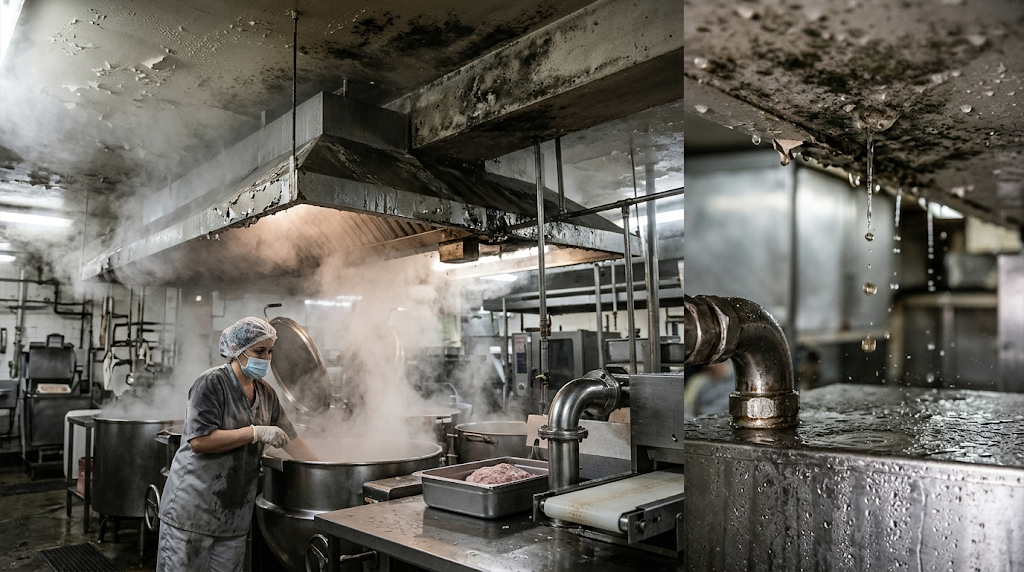
As you know, water in air is just water. Dust, microbes, and residue are all present on ceiling tiles, piping, light fixtures, and other surfaces that moist air strikes and condenses on, where they can drip onto open food or packaging.
The constant presence of moisture is also the perfect breeding ground for mould, yeast and bacteria on the walls and ceilings. Combine this with slippery floors, reduced visibility and the equipment rusting away and you can understand why dealing with moisture is at the heart of ensuring HACCP and GMP compliance.
Capturing Steam at the Source with Well-Designed Exhaust Hoods
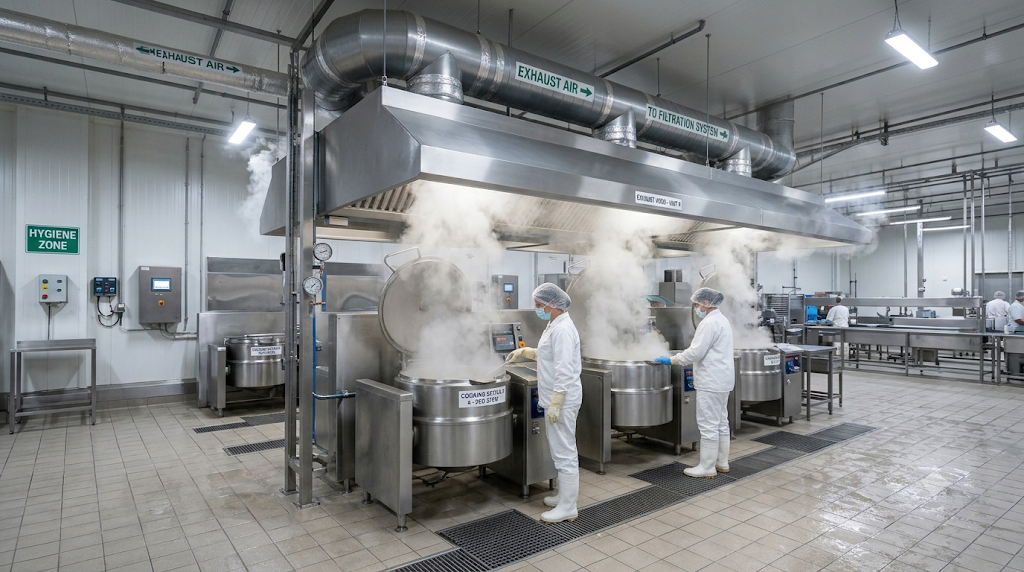
The best solution is to eliminate steam as it originates, before it’s allowed to disperse through the room. Canopy hoods over cooking vessels, pasteurizers and washers are designed and installed to contain and extract vapour at its point of origin.
Some design considerations to take here:
- Size and position of the hood: The hood should run beyond the source of steam in all directions so vapour is not able to leak around the edges.
- Capture velocity: Air velocity should be sufficient to entrain the steam, but not to cause vibration or agitation in open product.
- Condensate handling: Conventional gutters or drip channels keep captured moisture out of the process area.
Spot extraction such as this reduces the general ventilation requirement and also prevents humidity creeping into adjacent areas.
Balancing Airflow and Pressure to Keep Contaminants Out
Exhausting air from your system is just the first step. For each cubic meter you extract, you need to replace it and whether you do so effectively or not is the difference between maintaining a virus-resistant zone and not.
When exhaust fans extract more air than the makeup system provides, the space is negatively pressurized. This causes outside air to be drawn into the room through doors, cracks, and drains, typically from washdown or dock areas, which are generally dirtier. We want a pressure cascade whereby the cleanest rooms (packing, RTU) have the highest pressure differential, and the dirtiest rooms (raws and wetter areas) have the lowest.
Providing filtered, well-conditioned makeup air close to the exhaust areas is beneficial too. It prevents the steam from migrating and maintains the airflow in a unidirectional fashion – clean to less-clean, never the opposite.
Choosing Hygienic, Corrosion-Resistant Materials and Components
Steam-heavy places are hard on your ductwork and fans, particularly where you are washing down and using cleaning chemicals on a daily basis. Typical galvanized steel will corrode and flake, adding to your headache.
Look for:
- 304 or 316 stainless steel duct and housing (grade to be specified, but depending on the degree of chemical exposure)
- Flat, easy-to-clean internal surfaces without grooves that collect residue.
- Floor, wall and ceiling-mounted air valves for optimal air/liquid separation and drainage
- Sealed, washable motors and fans, high-humidity rated
Effective exhaust duct insulation will also minimize condensation within the duct, which can lead to dripping and microbial growth within the duct.
Cleaning, Maintenance, and Monitoring Practices That Protect Hygiene
No matter how perfect your system is, it needs maintenance. Grease, starch and moisture that enter your hoods, filters and ductwork can accumulate and contaminate your ventilation.
Create a routine of the following:
- Routine cleaning of hoods, baffle filters and accessible ductwork
- Ongoing inspection of fans, belts and bearings for signs of corrosion or wear
- Drain points for backup in case of condensate backing up
- Using sensors to monitor humidity, airflow and temperature to quickly detect issues
Storing these checks also helps make for far more straightforward audits, as auditors are growing more familiar with air handling as a food safety component.
Final Thoughts: Building a Ventilation Strategy That Protects Both Product and People
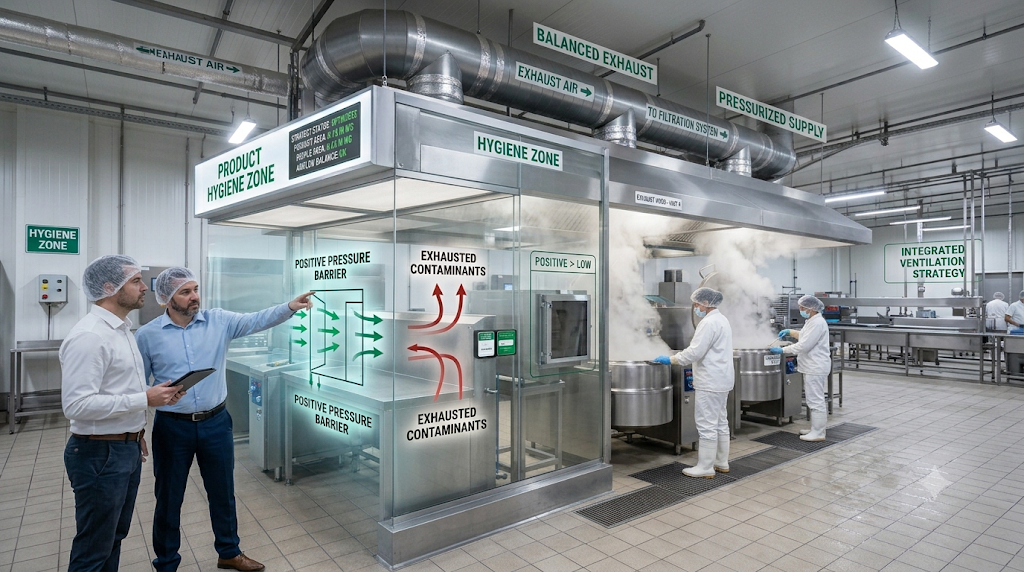
Deciding what to do with the steam in your food processing plant boils down to a handful of interconnected decisions: control it where it originates, provide adequate airflow and pressure balance, use hygienic building materials, and keep it under control. When you do all those things, your facility will be cooler and drier – without risking contamination.
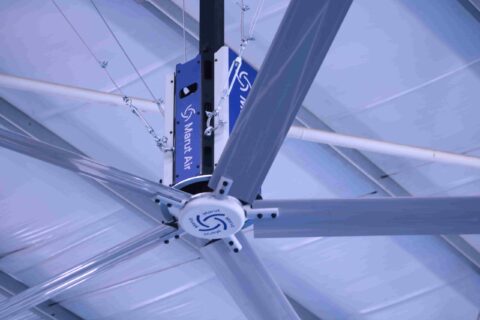
No two plants are exactly alike. They all have their individual equipment configurations, process loads and compliance requirements. And, because of this, a “one size fits all” solution simply isn’t going to cut it. That’s when you need a partner with experience who understands the conditions of the plant environment and the need to regulate steam, preserve hygiene standards and keep it all running efficiently. Marut Air is an expert in providing ventilation and exhaust systems suitable for tough industrial conditions.
FAQs
Why is steam such a big problem in food processing plants?
Steam condenses on cold surfaces, such as ceilings and ducts, and those water droplets can drip onto open food and packaging. Constant moisture can foster mould and bacteria growth, and it can also damage equipment.
Can’t I just install more exhaust fans to get rid of the steam?
Not necessarily. Just having more fans in the room can create negative pressure and pull in unfiltered air from an area with more dirt. The real trick is capturing the steam at the source and providing ample filtered makeup air to balance the pressure.
Where should exhaust hoods be placed in my plant?
Place the hoods immediately over the primary sources of steam, for example over cooking kettles, retorts, blanchers, pasteurizers and washers. Extend the hood beyond the equipment on all sides so vapour cannot escape from underneath the hood.
What does “negative pressure” mean, and why should I care?
It’s a situation where more air is leaving the space than is coming in. Then air rushes in from any direction that’s available, like doors, holes, drains, and so on. In a food plant, that pushes some gunk in with the new air, which is something you really don’t want in a clean area – and you want that clean zone pressure slightly higher than the raw or wet zone.