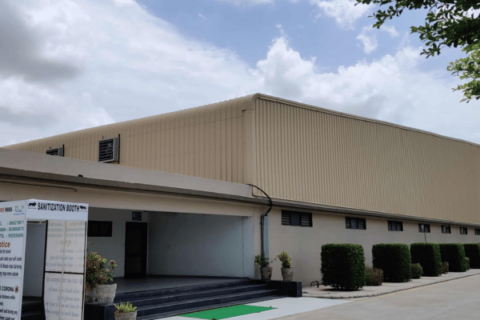

Employee retention is now a primary concern for the manufacturing sector. Employers have, in the past, based their ability to retain their employees on pay rates and career advancement. However, many employees leave due to conditions in their work environment that affect their physical, mental, and emotional well-being and their sense of comfort and safety, which is the result of workplace experience.
In this blog, we will talk about the 12 Real Reasons Employees Leave Manufacturing Plants (Hint: Ventilation Is One of Them)
12 Real Reasons Employees Leave Manufacturing Plants
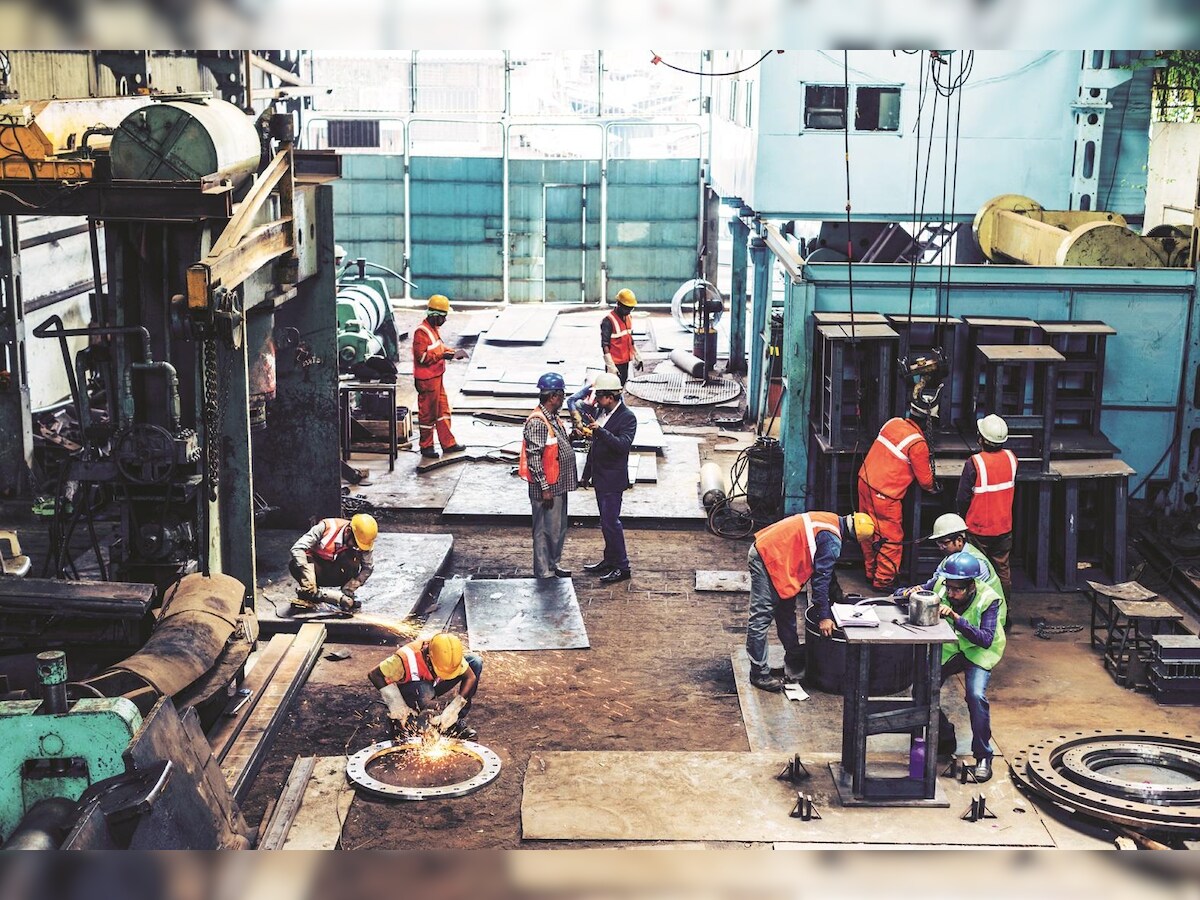
insufficient ventilation and high temperatures
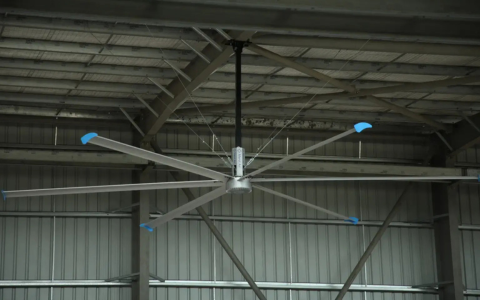
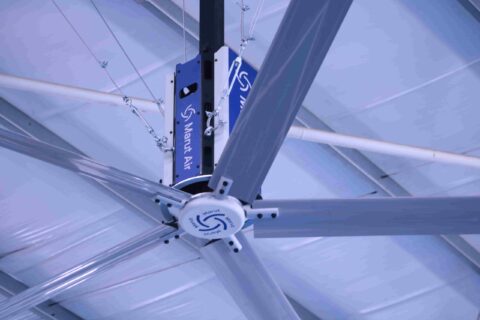
Poor ventilation is one of the greatest causes of employee turnover in the manufacturing industry. Workers working long shifts, in high indoor temperatures with poor ventilation, will quickly become fatigued, dehydrated, and unable to concentrate. High-volume, low-speed (HVLS) fans provide many benefits to manufacturers through the creation of cooler, more comfortable environments and increased air circulation.
Unsafe work environment.
Employees assume and expect their employer to have a work environment that is safe. Companies that have had employees experience frequent accidents, use outdated machinery, and do not provide employees with sufficient personal protective equipment often create employees who are frustrated and afraid to perform their job. Employers that maintain a strong culture of safety with ongoing training programs and regular maintenance of equipment create a greater likelihood of retaining employees.
Limitations of Career Advancement
Skilled workers will typically leave an employer that does not provide them with the opportunity for career advancement. Employers that provide their employees with skills development, technical training and internal promotion opportunities create greater levels of motivated employees and higher levels of long-term employee retention.
Workspaces that are well maintained reflect your respect for their hard work; therefore creating a positive image of your company.
Poor Management and Communication
Employees appreciate managers who have strong communication skills and listen to employees’ concerns. If a manager does not provide feedback, is inconsistent when providing guidance, or does not resolve conflicts effectively, this can lead to employee dissatisfaction; transparent communication creates trust and strengthens relationships in the workplace.
Inadequate Compensation and Benefits
Competitive salaries are still a huge part of employee retention. Employees are less likely to leave an organization if they receive competitive compensation, performance incentives, health insurance benefits, and retirement plans that recognize their contributions to the organization.
Extended Work Hours
Extended working hours and excessive overtime can lead to employee burnout. Employees require adequate time to physically and mentally recover. Companies that provide balanced work schedules and promote a work-life balance tend to experience lower employee turnover.
No Recognition
Employees want to feel appreciated for the work that they do. Even small acts of appreciation, such as employee awards, appreciation programs, or public recognition, can help improve employee morale. Employees who feel appreciated will be more committed and engaged in their employer.
Outdated Equipment and Technology
Using unreliable or outdated equipment can create stress and inefficiencies at work. Newer equipment allows employees to be more productive and makes their daily work easier and safer. By investing in new technology, companies show that they are committed to supporting their employees’ success.
Poor Cleanliness in the Workplace
Dust, clutter, and poor housekeeping negatively impact employee satisfaction. Clean working areas lead to happier employees.
Manufacturing companies can enhance their worker’s productivity by improving their working environment. The most important way for a manufacturing company to enhance its employees’ productivity is to improve the quality of the ventilation. There has been a lot of research indicating the relationship between an office environment’s ability to retain employees and employees’ performance.
Ways to Improve Manufacturing Employee Retention
To improve retention rates, manufacturers must address both the workplace physical environment and organizational culture. Regularly soliciting employee feedback, investing in improving the workplace, providing opportunities for growth, and recognizing employee contributions are all things manufacturing companies should be doing. Small modifications, such as improved ventilation, clean work areas, and efficient communication have been shown to have lasting results on employee satisfaction.
Retaining experienced employees helps minimize recruiting costs, retains important knowledge and improves production quality. A comfortable, motivated workforce is also directly related to increased productivity and continued business growth.
Blockquote
“People may join a manufacturing company for the salary but they stay for a workplace that values their safety comfort growth and wellbeing.”
Conclusion
There are multiple reasons why employee turnover occurs in manufacturing environments. These include poor ventilation, uncomfortable temperature, limited growth opportunities, and poor leadership, and each of these factors contributes to employee satisfaction.
Maruit Air is the top company that provides the best quality fans at affordable prices. It offers the best services and creates the best working environment in the manufacturing industry. Feel free to learn more about the products provided by Maruit Air.
Contact details
Company name – Maruit Air
Address – 1st and 2nd Floor, Marut Corporate House, Behind the capital, Science City Road, Sola, Ahmedabad, Gujarat, India 380060
Contact – +91 63526 03898
E-mail – ops6@marutair.com
Frequently Asked Questions
Why do employees leave a manufacturing company?
The most common reasons for employees leaving a manufacturer are(1) poor working conditions, (2) low wages, (3) limited growth opportunities and (4) inadequate work environment(obj.).
What impact does improved ventilation have on employee retention?
Good ventilation lowers heat stress, increases indoor air quality and improves employee health, thus creating an overall more comfortable work environment for the employees.
What is the biggest issue in manufacturing plants?
The primary concerns for manufacturing are the dangers of working in unsafe environments, the risk of being exposed to extreme temperatures, and the absence of communication within the workplace.
Can better airflow (ventilation) increase productivity?
Yes, good ventilation means good airflow will provide working conditions for employees that are comfortable, allowing them to be focused and productive on their jobs throughout the workday and into the evening.
What are some simple ways to keep employees?
Ensure you are paying fair wages, having a safe place(s) for employees to work, improving airflow (ventilation), recognising employees for accomplishing things, and offering career development.
Why is having a comfortable workplace in manufacturing so important?
Employees who are in a comfortable work environment have a lesser degree of fatigue, have an increased morale, and have a higher level of job satisfaction than employees working in an uncomfortable workplace.
What role did modern HVLS fans have in manufacturing?
HVLS fans improve circulation within a manufacturing facility, reduce perceived temperature, and improve the comfort of the employees while using less energy.
How does a company’s culture affect its employee retention?
A culture of respect and support leads to teamwork among employees, increases employee engagement, and reduces the number of employees of the company.
How can manufacturers decrease employee turnover?
Facilities can be improved so that employees have a better working environment and receive competitive wages and benefit packages; also, invest in the professional development of the employees.
How does workplace temperature affect performance?
High heat and/or humidity levels in a workplace can cause decreased concentration, increased fatigue, and decrease overall productivity of an employee.
What are the benefits of installing HVLS fans in the manufacturing plant?
Ventilation from an HVLS fan increases circulation of air with cooler air (lowering the temperature of the employee), which will reduce heat-related illnesses and lower energy costs.