
Industrial exhaust fans are essential for maintaining air quality, controlling temperature, and removing unwanted contaminants in industrial and commercial settings. Among the various types of exhaust systems, wall-mounted industrial exhaust fans are popular due to their efficiency, versatility, and ease of installation. These fans help remove hot air, smoke, dust, fumes, and odors while promoting a safe and comfortable work environment. In this guide, we will explore the key benefits, applications, and best practices for wall-mounted industrial exhaust fans, helping facility managers and engineers make informed decisions about their ventilation systems.
According to Site Market Research, the global wall‑mounted exhaust fan market was valued at USD 169 million in 2024. It’s projected to grow to USD 213 million by 2032, with a Compound Annual Growth Rate (CAGR) of about 3.5%.
According to DataIntelo, the wall‑mounted exhaust fan market (industrial + commercial) reached USD 3.8 billion in 2024, and is forecasted to hit USD 6.3 billion by 2033, growing at a CAGR of 5.7%.
Companies are investing towards strategic ways in which they can reduce emissions and improve the quality of air as well as the environment for their employees. Seek innovation, energy-efficient approach and sustainability with quality products such as those marketed by Marut Air.
Understanding Wall-Mounted Industrial Exhaust Fans
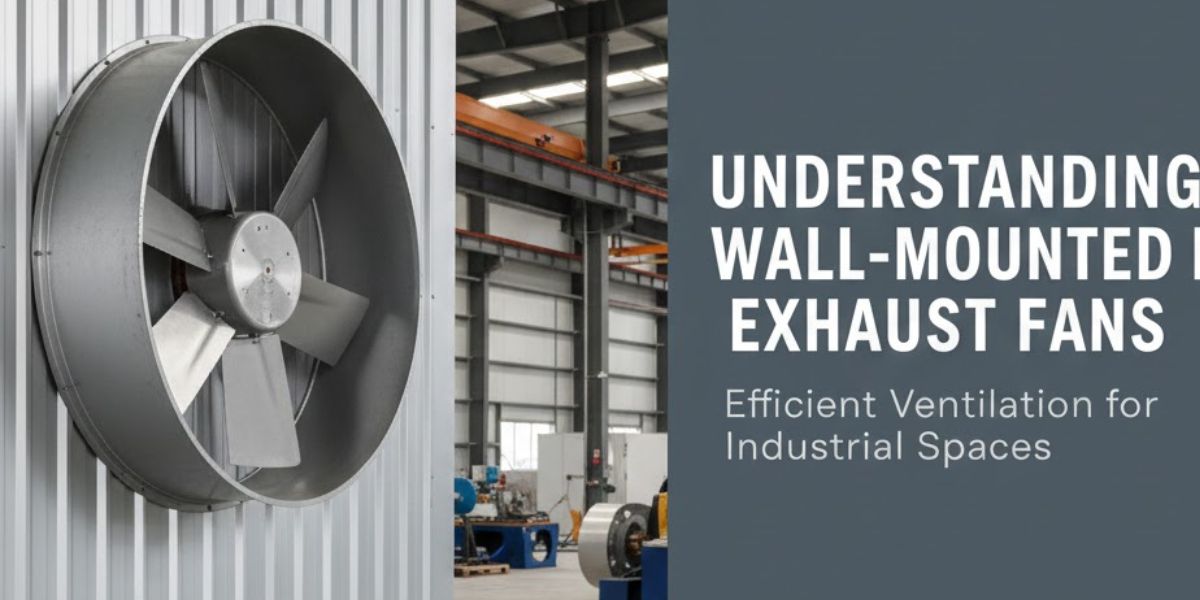
Wall-mounted exhaust fans are designed to be installed directly on walls, usually near ceilings, to ventilate large spaces effectively. Unlike ceiling or duct-mounted systems, these fans draw contaminated air directly from the room and push it outside, creating a continuous flow of fresh air. They come in various sizes and capacities, making them suitable for everything from small workshops to large factories.
Key Components:
- Fan Blade: Typically made of aluminum or steel, designed for high airflow efficiency.
- Motor: Powers the fan and determines the airflow capacity.
- Housing: Protects the motor and blades and directs airflow efficiently.
- Shutters or Louvres: Prevent backdraft and protect from debris when the fan is off.
Key Benefits of Wall-Mounted Industrial Exhaust Fans
Pros of Wall-mounted industrial exhaust fans over other ventilation solutions:
- Efficient Airflow
These fans can move large volumes of air quickly, effectively removing smoke, fumes, dust, and heat from industrial spaces. Proper airflow improves working conditions and maintains a healthier environment for employees.
- Easy Installation
Compared to ducted or ceiling-mounted systems, wall-mounted exhaust fans are easier to install, requiring fewer modifications to the building structure. They can be mounted directly to walls with minimal ducting, reducing installation time and cost.
- Cost-Effective Ventilation
Wall-mounted fans are generally more affordable than centralized HVAC or complex ducted systems. They consume less energy while providing effective ventilation, making them a cost-efficient option for factories, warehouses, and workshops.
- Heat and Humidity Control
By removing hot air from industrial spaces, these fans help regulate temperature and humidity levels. This prevents equipment overheating and enhances employee comfort, particularly in kitchens, foundries, or high-temperature manufacturing areas.
- Versatile Applications
Wall-mounted exhaust fans are suitable for a wide range of industries, including manufacturing plants, food processing facilities, laboratories, warehouses, commercial kitchens, and chemical plants. Their flexibility makes them ideal for diverse industrial environments.
- Low Maintenance
Most wall-mounted exhaust fans are built for durability and require minimal maintenance. Routine cleaning of blades and motor lubrication is generally sufficient to ensure long-term performance.
Common Applications of Wall-Mounted Industrial Exhaust Fans
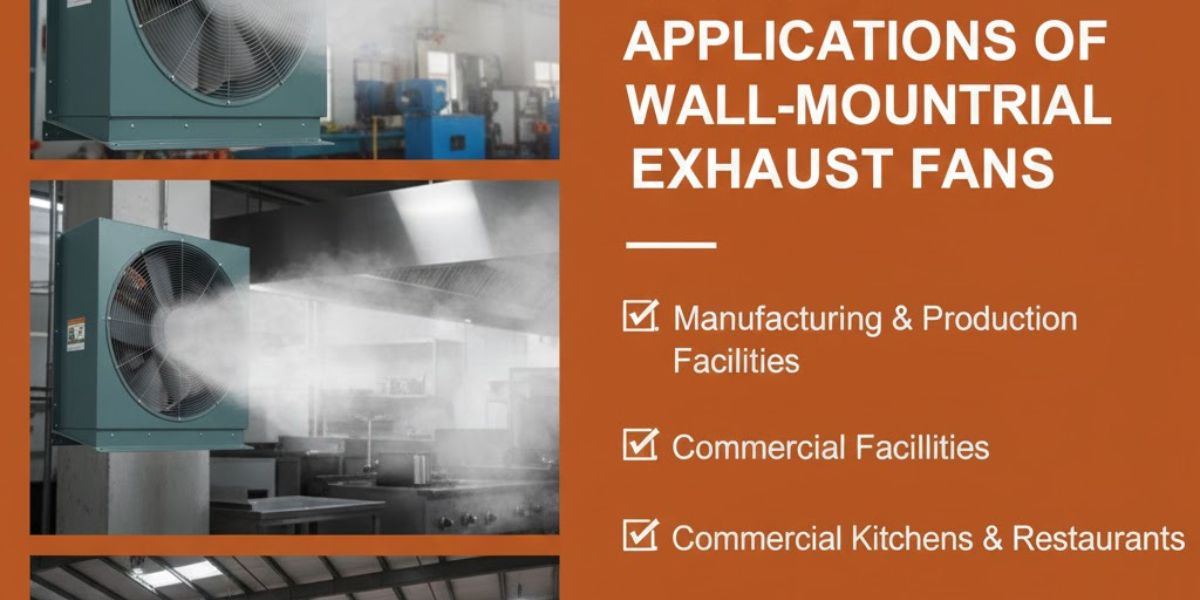
Wall-mounted exhaust fans are versatile and can be used in various industrial and commercial settings. Some common applications of Industrial exhaust fans include:
- Manufacturing and Assembly Plants
Factories generate heat, smoke, and dust during production processes. Wall-mounted exhaust fans help remove these contaminants, improving worker safety and maintaining air quality.
- Commercial Kitchens
Restaurants and large kitchens produce smoke, grease-laden air, and odors. Wall-mounted exhaust fans ensure proper ventilation, keeping the workspace safe and comfortable while complying with hygiene standards.
- Warehouses
Large storage facilities often have limited air circulation, leading to heat buildup. Exhaust fans help circulate fresh air, protecting stored goods and creating a safer environment for employees.
- Laboratories and Chemical Plants
Chemical processes may release fumes, vapors, or hazardous gases. Proper ventilation through wall-mounted fans reduces health risks and ensures compliance with safety regulations.
- Workshops and Garages
Woodworking, welding, or automotive workshops produce dust, smoke, and fumes. Exhaust fans remove these contaminants, protecting both workers and equipment from harmful exposure.
Choosing the Right Wall-Mounted Industrial Exhaust Fan
When selecting a fan, consider:
| Airflow Capacity: | Measured in cubic feet per minute (CFM). Higher CFM is ideal for larger spaces. |
| Fan Size: | Blade diameter should match the room size for optimal air circulation. |
| Motor Power: | Ensure the motor can handle the required airflow and operating conditions. |
| Noise Level: | Consider fan design and location if noise is a concern in occupied areas. |
| Durability: | Choose corrosion-resistant materials for humid or harsh industrial environments. |
Conclusion
Wall-mounted industrial exhaust fans are a practical, cost-effective solution for maintaining air quality, controlling heat, and removing pollutants in industrial and commercial environments. Their ease of installation, versatile applications, and energy efficiency make them an essential component of modern industrial ventilation systems. By understanding their benefits, applications, and maintenance requirements, facility managers can ensure a safe, productive, and comfortable working environment.
Rely on quality products from Marut Air when it comes to seeking a difference. Making use of the best quality materials in the market. Their products stand out for their performance. Visit today for further information about their range of quality products, and opt for them for quality ventilation solutions.
Frequently Asked Questions
Q1: Can wall-mounted industrial exhaust fans be used outdoors?
A: Yes, but ensure they are weatherproof and designed for outdoor use. Install proper shutters or louvres to protect against rain and debris.
Q2: How often should industrial exhaust fans be maintained?
A: Routine maintenance every 3–6 months is recommended, including cleaning blades, inspecting motors, and lubricating moving parts.
Q3: Do wall-mounted exhaust fans reduce indoor temperature?
A: While they do not directly cool air, these fans remove hot air and humidity, helping regulate temperature and improving comfort.
Q4: Are wall-mounted fans noisy?
A: Noise levels vary by design and motor type. Select fans with low-noise motors or add vibration isolation to reduce operational sound.
Q5: Can multiple fans be installed in a single facility?
A: Absolutely. Multiple fans can improve ventilation in large spaces, ensuring consistent airflow and better air quality throughout the facility.