
Cooling large spaces like factories, warehouses, and workshops can be energy-intensive and expensive. Most of the air conditioning systems are struggling to maintain consistent airflow, resulting in high energy consumption and increased carbon emissions, which harm the environment as well. As businesses and industries are moving toward sustainable development, HVLS technology is increasingly used in eco-friendly cooling. HVLS fans are designed to create consistent, large-scale airflow that keeps the large spaces cool, dry, and comfortable while reducing operational costs.
In this guide, you will learn what HVLS technology is and what the environmental benefits of HVLS technology.
What Are HVLS Fans and How Do They Work in Large Spaces?
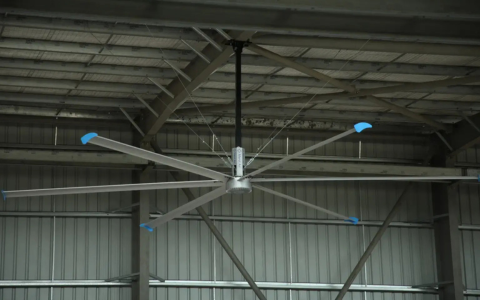
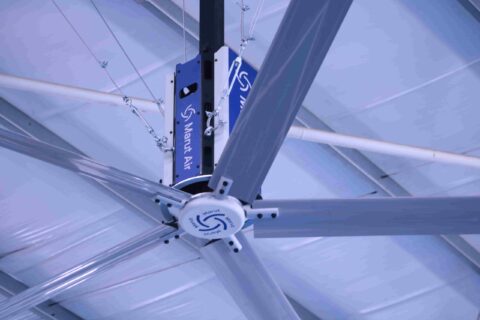
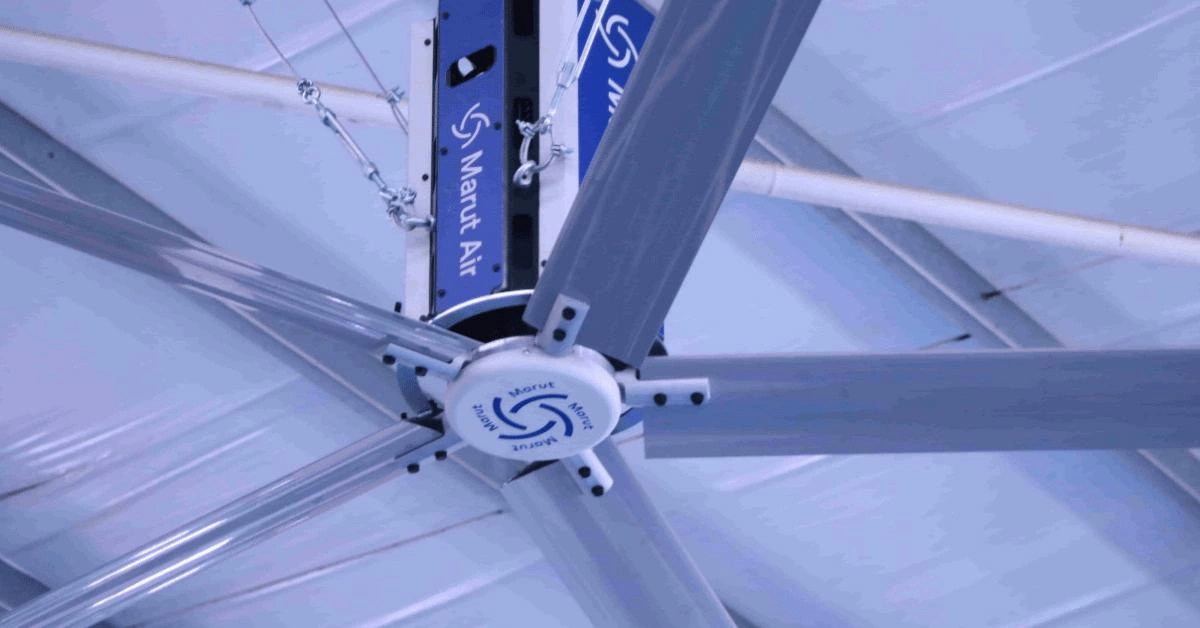 HVLS (High Volume Low Speed) fans are large ceiling fans that are typically 7-24 feet in diameter and are designed to move large volumes of air at low speed. They create a gentle, consistent airflow across the entire space to regulate temperature, reduce humidity, and improve overall air movement in the entire space.
Why Is Sustainable Cooling Necessary For Industrial Space?
Most of the cooling systems, like air conditioners and small fans, consume a lot of electricity. We know that most of the electricity is generated by burning fuels, which affects the environment. But HVLS technology focuses on air movement instead of temperature reduction, which makes it more sustainable.
What Are the Environmental Benefits of HVLS Technology?
High-volume, low-speed technology is smart and eco-friendly for large spaces. Some environmental benefits of HVLS fans are the following:
1. High energy efficiency:
HVLS technology consumes up to 90% less energy compared to other cooling systems.
- You can use one HVLS fan in place of multiple small fans.
- They reduce your overall energy consumption.
HVLS technology protects resources by reducing pollution.
2. Reduced carbon emission:
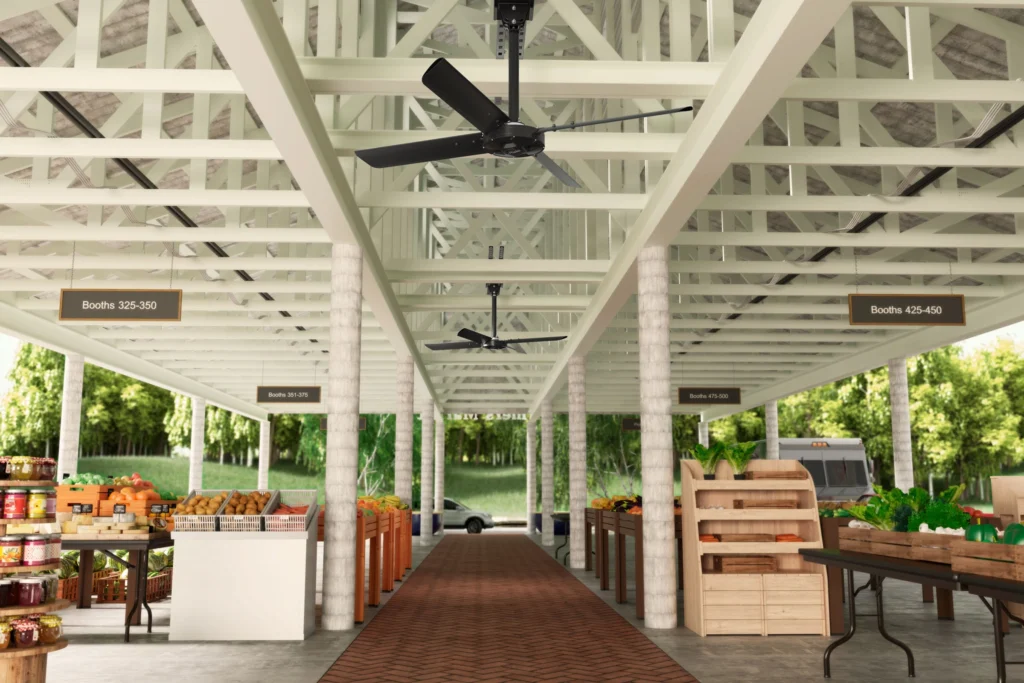
They reduce the amount of fossil fuels burned to generate electricity, which reduces:
- Greenhouse gas emissions.
- Carbon footprint.
3. Less dependence on air conditioning:
HVLS technology does not replace the air conditioning system completely; it reduces the need for an HVAC system.
- It increases the lifespan of the HVAC system.
- It saves the wastage of energy in air conditioning.
4. Improve indoor air quality:
Industrial fans continuously move large volumes of air at low speed, which prevents stagnation in the large space. That helps to:
- Remove pollutants, dust, and fumes from the environment.
- Maintain a healthy environment in space.
5. Eliminates temperature stratification:
In large buildings, hot air rises and gets trapped near the ceiling. But if you use HVLS fans that mix the layers of air effectively, it prevents the wastage of energy on the heating or cooling system. It helps to balance the temperature in the large spaces.
6. Control humidity and moisture:
Proper airflow helps to protect the building and the environment by reducing condensation and preventing mold and dampness growth. It also helps to balance the humidity in the large spaces.
7. Support green building goals:
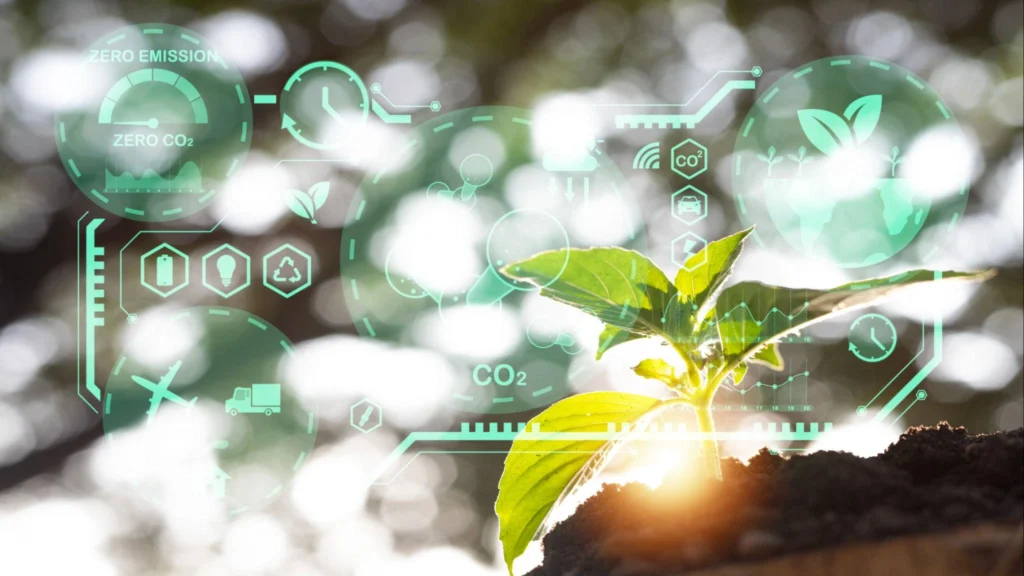
HVLS technologies are commonly used in eco-friendly buildings to:
- Enhance energy efficiency ratings.
- Meet the standards of sustainability.
8. Natural cooling without harmful gases:
An industrial fan provides clean and natural ways to stay cool without using refrigerants and releasing harmful gases into the environment.
What are the real-world applications of HVLS technology?
HVLS technology is mainly designed for large and open spaces. These are some large spaces where this technology is commonly used:
- Warehouse and distribution centers.
- Manufacturing factories.
- Shopping malls and retail stores.
- Airports and large public spaces.
- Agricultural buildings.
- Gyms and sports halls.
What are some practical tips to maximize environmental benefits?
- Use smart control systems to adjust fan speed in large spaces.
- Use HVLS fans with natural ventilation systems.
- Regularly maintains HVLS fans for better efficiency.
- Avoid the excess uses of air conditioning systems.
- Use HVLS fans with insulation to save energy and get environmental benefits.
Conclusion:
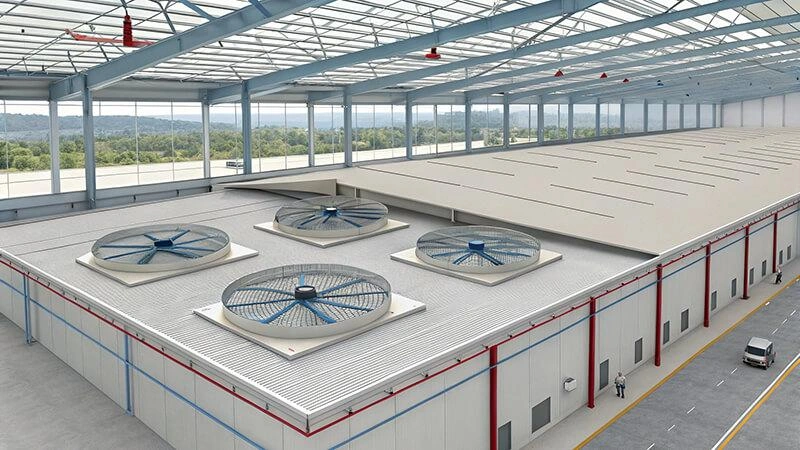
HVLS technology is a smarter and more sustainable way for cooling large spaces like warehouses, factories, and workshops without harming the environment. It reduces energy consumption, decreases carbon emissions, improves indoor air quality, and is also eco-friendly, reducing dependencies on HVAC systems, and provides natural cooling through natural airflow.
If you are looking to reduce the cost of energy consumption and maintain sustainability, then investing in HVLS technology is the best choice for your large spaces. Use HVLS fans with proper insulation and smart control systems so they can deliver higher environmental and operational benefits. Marut Air provides the best quality of HVLS technology at the best costs in the market.
FAQs Regarding Environmental Benefits of HVLS Technology:
Q1. Are HVLS fans an eco-friendly cooling solution for large spaces?
Ans: Yes, HVLS fans are eco-friendly; they move large volumes of air at low speed with minimum energy use, reduce the need for air conditioning systems, and maintain a fresh environment.
Q2. Do HVLS fans reduce my electricity bills?
Ans: Yes, HVLS fans reduce your electricity bills. It uses less energy to move large volumes of air and reduces the workload of cooling systems, which leads to saving energy and electricity bills.
Q3. Is HVLS technology suitable for small spaces?
Ans: No, HVLS technology is mainly designed for large spaces like warehouses, factories, and workshops. Small fans or ceiling fans are suitable and cost-effective for small spaces.
Q4. What does HVLS stand for?
Answer: HVLS stands for High Volume Low Speed. These fans are designed to move large volumes of air at low speed to improve indoor air circulation in large spaces.
Q5. Can HVLS fans replace air conditioning systems?
Ans: Not completely, because they do not cool the air like air conditioners, but maintain the indoor environment cool by continuously moving airflow. HVLS is used to reduce the use of air conditioning systems in large spaces.