
Installing a new HVAC system or ductwork is a major step toward creating a comfortable and energy-efficient home or office. But the job isn’t truly complete the moment the system is hooked up and powered on. One crucial step that often gets overlooked is testing the airflow and balance of your system. Without proper airflow, some rooms may be too hot or too cold, energy bills may skyrocket, and the system itself could suffer from unnecessary wear and tear.
Testing airflow and system balance ensures that every vent delivers the right amount of air to maintain consistent temperatures throughout your space. Think of it like tuning a musical instrument—if even one string is off, the whole performance suffers. Similarly, even minor airflow imbalances can lead to discomfort, inefficiency, and potential long-term problems with your HVAC system.
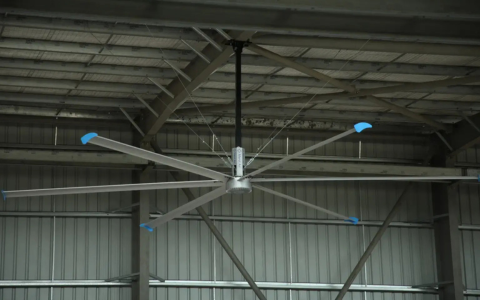
According to Market Growth Reports, demand for HVLS fan installations is strong and expanding rapidly worldwide, driven by energy-efficiency goals, rapid infrastructure growth, and increased emphasis on indoor comfort and ventilation. Market forecasts indicate a consistent CAGR of approximately 6–8% over the next decade, with millions of units deployed annually.
Whether you’re a professional HVAC technician or a DIY enthusiast eager to optimize your system, this guide walks you through everything you need to know. From understanding airflow fundamentals to using the right tools and performing adjustments, you’ll gain the confidence to test, balance, and fine-tune your system for peak performance. Let’s dive in.
Understanding Airflow and System Balance
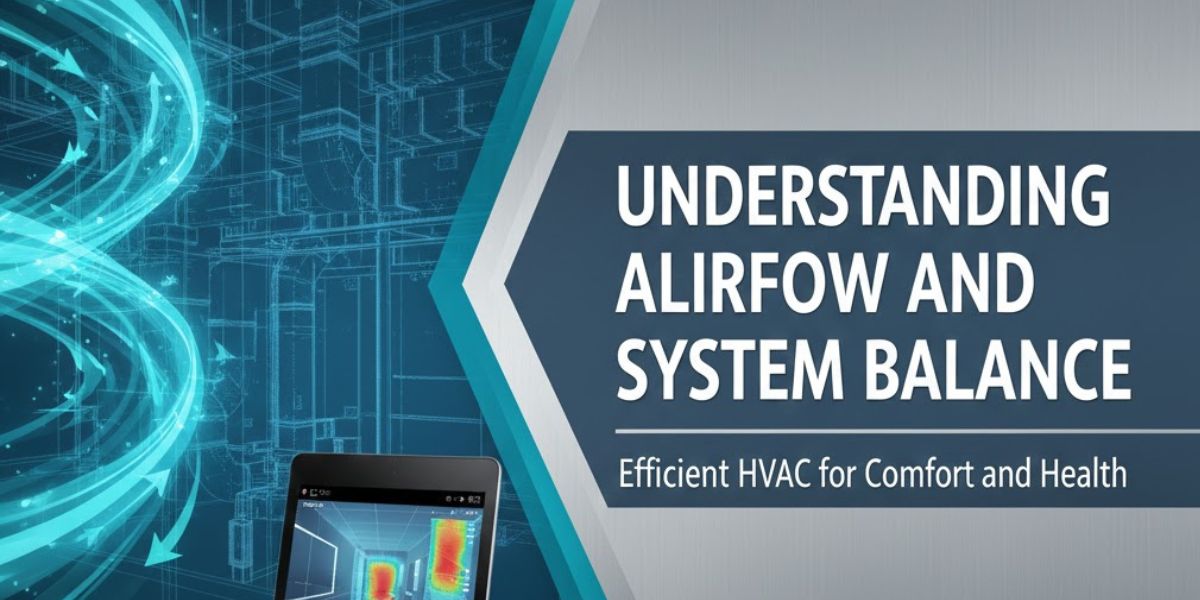
Airflow is the movement of air through your HVAC system, typically measured in CFM (cubic feet per minute). Proper airflow ensures that every room receives the right amount of conditioned air. Too much or too little airflow can cause uneven temperatures, higher energy bills, and strain on the system’s components.
What is System Balance?
System balance refers to the distribution of airflow so that each room or zone gets the intended amount of air. A balanced system keeps your indoor environment comfortable, minimizes energy waste, and reduces wear on your HVAC equipment. Signs of imbalance include:
- Hot or cold spots in certain rooms
- Excessive noise from vents
- Short cycling of the HVAC unit
- Higher-than-expected energy costs
Tools Needed for Testing Airflow and Balance
Before testing, gather the proper tools:
- Anemometer – Measures the speed of airflow from vents.
- Flow hood – Measures the volume of air from supply vents.
- Manometer/Pressure gauge – Measures pressure differences in ducts.
- Duct tape & markers – For labeling and sealing during tests.
- Notebook or digital device – To record measurements for analysis.
Preparing for Airflow Testing
- Ensure the system is fully installed and operational.
- Close all windows and doors to prevent drafts.
- Turn on the system and allow it to stabilize for 5–10 minutes.
- Follow safety precautions around electrical components and moving parts.
Step-by-Step Airflow Testing Procedure
Measure Supply Airflow
- Place a flow hood over each supply vent or use an anemometer.
- Record the airflow in CFM.
- Compare each reading to the system’s design specifications to identify underperforming vents.
Measure Return Airflow
- Check airflow at return vents to ensure proper intake.
- Record and compare readings with supply airflow to check for consistency.
Compare Readings Against Design Specs
- Ideally, each room should receive airflow close to the design target.
- Small variations are normal, but large discrepancies indicate an imbalance that needs adjustment.
Balancing the System
Adjusting Dampers
- Locate dampers in the ductwork leading to different rooms.
- Slowly open or close dampers to increase or decrease airflow.
- Adjust incrementally and re-measure after each change.
Rechecking After Adjustments
- Measure airflow again at supply and return vents.
- Continue adjusting until airflow readings match design targets for each room.
Tips for Persistent Imbalances
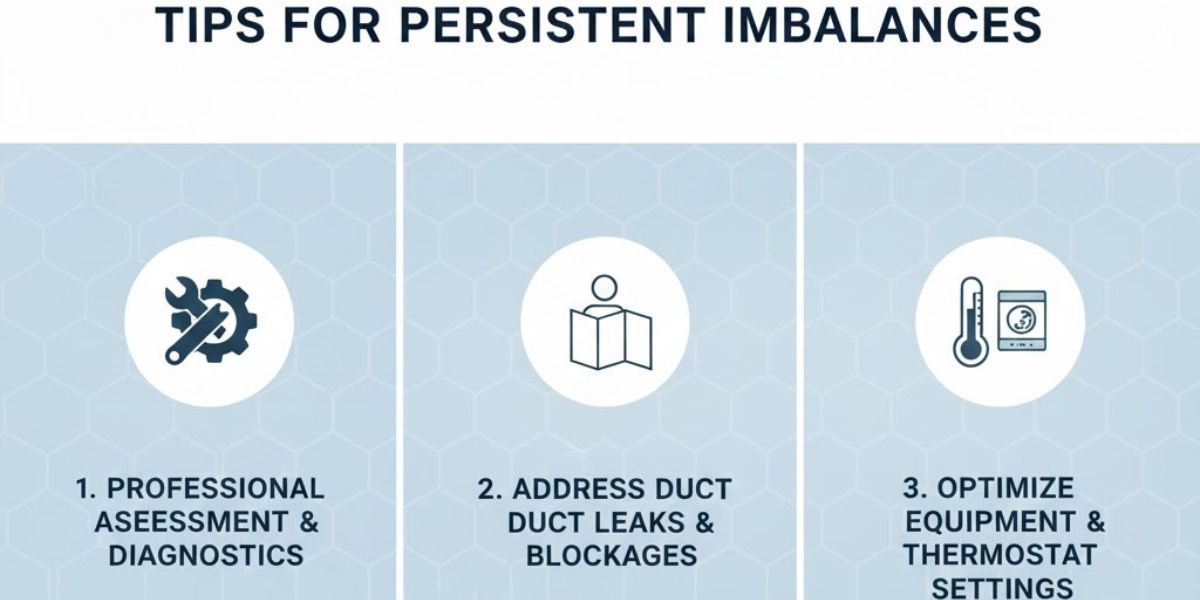
- Check for blocked vents or duct obstructions.
- Inspect ductwork for leaks that may reduce airflow.
- Ensure that the system size matches the home’s requirements.
- If issues persist, consult a professional HVAC technician.
Troubleshooting Common Issues
- Low airflow in certain rooms: May be caused by blocked ducts, closed dampers, or undersized ductwork.
- High noise levels: Could result from excess airflow, loose duct connections, or unbalanced vents.
- Inconsistent temperature: Often a sign of improper system balance or HVAC sizing issues.
- System short-cycling: May indicate duct restrictions, thermostat issues, or improper airflow.
Maintaining Proper Airflow and Balance
- Test and balance your system annually, or after any major system change.
- Replace or clean air filters regularly.
- Monitor airflow after seasonal changes, as heating and cooling loads differ.
- Seal duct leaks and insulate ducts where necessary.
Frequently Asked Questions on Test Airflow and Balance After Installation
Q1: How often should I test airflow and balance in my HVAC system?
It’s best to test your system at least once a year, ideally before the peak heating or cooling season. You should also test after any major changes, such as installing new ductwork, replacing your HVAC system, or after significant renovations that could affect airflow.
Q2: What tools do I need to accurately test airflow?
The most effective tools include:
- Flow hood – Measures the volume of air leaving each supply vent.
- Anemometer – Measures airspeed, useful for quick checks.
- Manometer or pressure gauge – Detects pressure differences in ducts.
- Notebook or digital device – To record readings.
While DIYers can use simpler tools like handheld anemometers, professional testing with a flow hood provides more precise results.
Q3: What is considered proper airflow?
Proper airflow depends on your system’s design specifications, usually measured in CFM (cubic feet per minute) for each room or vent. Small variations are normal, but if certain rooms are significantly over- or under-delivered, adjustments are needed.
Q4: Can I balance my HVAC system myself?
Yes, small adjustments are possible by fine-tuning dampers in the ductwork. However, if you encounter persistent imbalances, unusual noise, or airflow issues after adjustments, it’s best to consult a professional.
Q5: Why is balancing the system important?
System balance ensures even temperature distribution, reduces energy consumption, prevents hot or cold spots, minimizes noise, and extends the life of your HVAC equipment.
Q6: My airflow readings are low in some rooms – what could be wrong?
Possible causes include:
- Closed or partially closed dampers
- Blocked or undersized ducts
- Air filter obstruction
- Duct leaks or disconnected sections
Conclusion
Testing and balancing your HVAC system is an essential step after installation. With the right tools and approach, you can ensure consistent comfort, energy efficiency, and system longevity. By following this step-by-step guide from Marut Air, you’ll gain the confidence to fine-tune airflow, address imbalances, and maintain a system that performs at its best year-round.